Serving Anthem, New River and Cave Creek24/7 Emergency Dispatch: (480) 806-2944
Desert Hills AZ Experts Plumbers24/7 PLUMBING DISPATCH · MARICOPA COUNTYCall (480) 806-2944 →
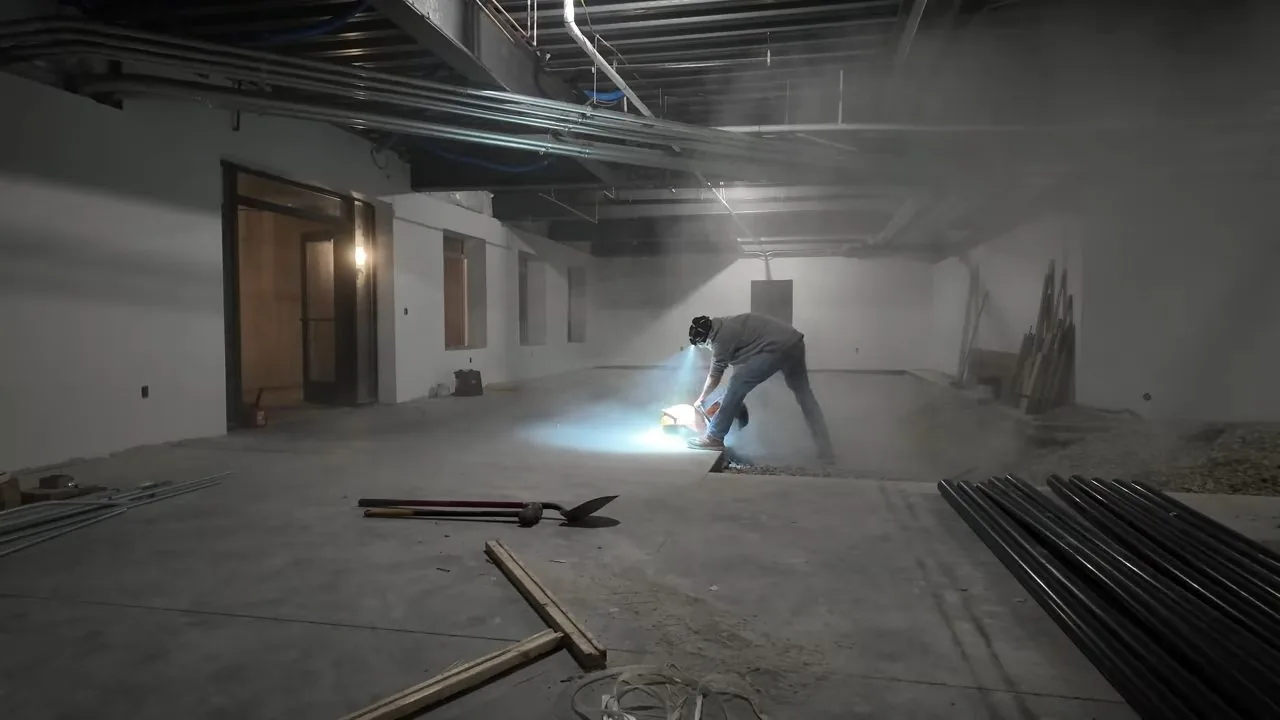
Worker with a work light in a gutted commercial space with a broken-up concrete floor.
Commercial calls can involve opened slabs and exposed lines, not only a leaking fixture.

Home » Services » Commercial plumbing

24/7 Emergency Line Open

Commercial Plumbing Repair and Maintenance in Desert Hills

A plumbing failure in a business costs customers as well as repairs. Describe the building and the fault, and a plumber serving your area will say what can be done on the first call and what needs a plan.

Call (480) 806-2944 now →
  • Licensed and insured plumbers
  • Same-day service when available
  • 24/7 emergency dispatch
Grease traps

Grease trap and interceptor service

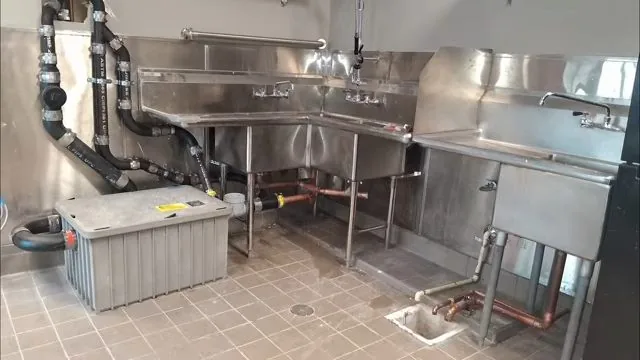
A restaurant kitchen sends grease down the line every service. A grease trap or interceptor catches it before it reaches the sewer, and it has to be cleaned on a schedule. A full trap smells, backs up the sinks and can trigger a fine from the utility. The plumber checks the baffles, the inlet and outlet, and the vent, and arranges a pump-out with a licensed hauler where required. Ask how the schedule is set, since a busy kitchen needs a shorter interval than a quiet one.

Common commercial calls
BuildingCommon callFirst step
RestaurantGrease trap, floor drainInspect trap and drains
RetailRestroom leak, water heaterIsolate the fixture
Medical officeSink and drain issuesPlan around hours
MultifamilyShared line backupLocate the shared stack
Stainless commercial kitchen sink with a grease interceptor and piping on a tiled floor.
A grease interceptor needs regular service to keep a kitchen drain line moving.
Contracts

Maintenance contracts and planned service

Contracts work best when they name the equipment, the visit interval and the response target for emergencies. Review them every year, and ask for a short report after each visit listing what was checked and what was found, so changes in the building are tracked. A maintenance plan swaps surprise failures for scheduled visits. Typical items are water heater flushes, backflow and valve checks, drain jetting, grease trap service and a walk-through of restrooms. The point is to find the weak part before it fails during business hours. Ask what a visit covers, how often, and how emergency calls are handled under the plan. Get the scope in writing, with the equipment listed. Ask also how parts and after-hours labor are handled under the plan.

24/7 emergency dispatch

Business plumbing down? Call now.

Call (480) 806-2944 now →
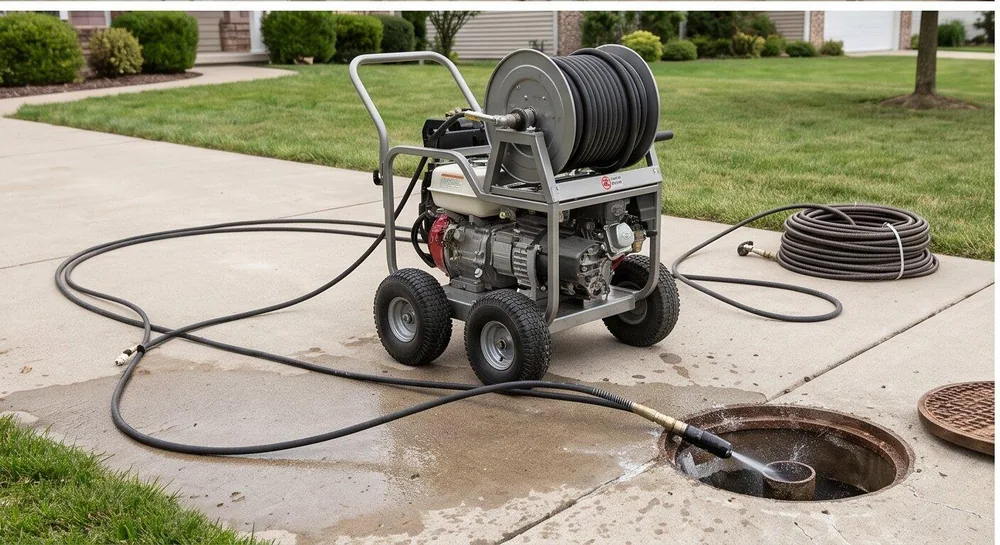
Wheeled hydro jetting machine with a hose reel beside an open drain cover on a sidewalk.
Hydro jetting clears heavy buildup in a main line that a snake can leave behind.
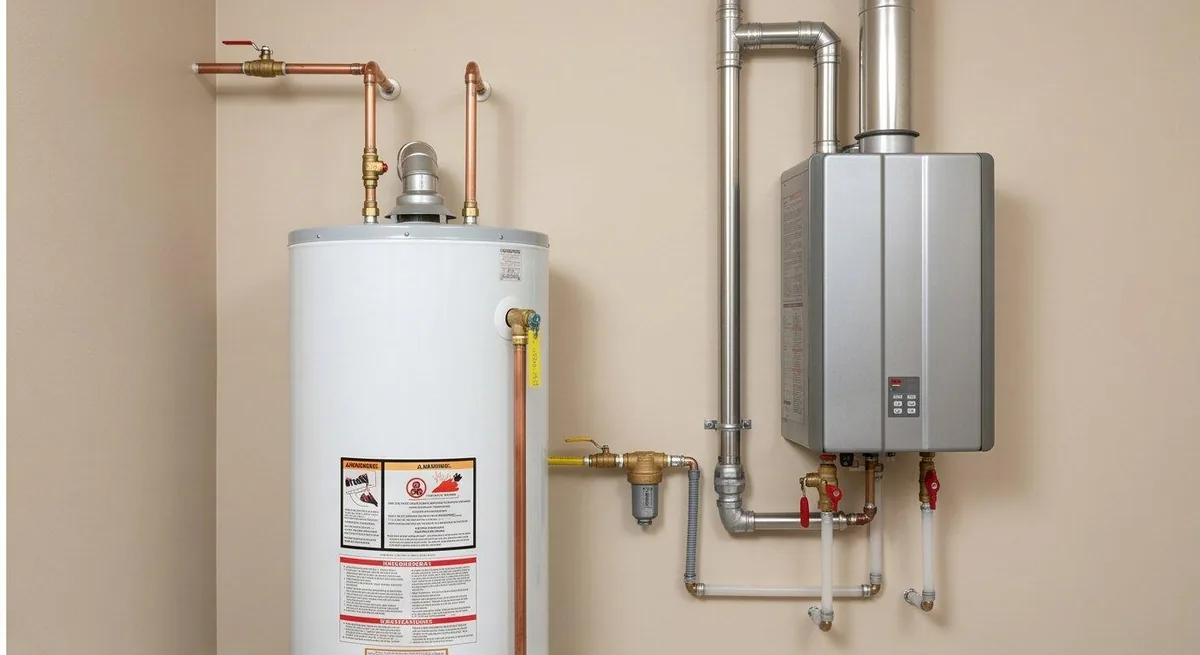
Storage tank water heater beside a wall-mounted tankless unit with connected pipework.
Whether a business needs a tank or a tankless unit depends on how much hot water it uses at once.
Repairs

Pipe, slab and sewer repair for commercial buildings

Repairs in a working building are planned around opening hours, deliveries and customers. Ask the plumber how the site will be protected, where equipment will sit, and how long water or the restroom will be unavailable, so you can brief staff and post notices. Commercial buildings have larger lines, longer runs and more users. A leak under a slab or a failing sewer lateral can close a shop for days. A camera inspection shows the condition without guessing, and repair options include spot repair, relining or replacement. The methods are similar to residential ones, and the sewer line page and the slab leak page describe them in detail. Ask about a permit and an inspection too, since commercial work often has more steps than residential. Pipe, slab and sewer repair on a commercial site covers a burst pipe in a ceiling, a slab leak under a retail floor and an industrial sewer line that has settled or filled with debris.

Drains

Drain cleaning for kitchens and restrooms

Restaurants typically need regular jetting of the main kitchen line, while restrooms tend to clog from paper and wipes that should not be flushed. Posting a clear sign in each stall reduces calls, and a camera pass after cleaning shows whether the pipe wall is damaged. Commercial drains clog from grease, paper, wipes and debris. Jetting clears the line more fully than cabling and cleans the pipe wall. A camera shows whether the problem is a clog or a break. The drain cleaning page covers the methods in general terms.

Floor drains in kitchens also dry out and smell if rarely used, so a quick weekly flush with water keeps the trap sealed against sewer gas. Strainers and baskets on floor drains catch food scraps before they reach the line, and emptying them at closing each night prevents many of the clogs that otherwise show up in the middle of a busy service.

24/7 emergency dispatch

Restaurant, shop or building down? Dispatch answers 24/7.

Call (480) 806-2944 now →
Buildings

Multifamily, light industrial and cold storage

In multifamily buildings, ask which units sit on the same stack so neighbors can be warned before water is shut off. In cold storage and industrial sites, note any process equipment tied into the plumbing, since shutdowns there may affect operations beyond the restroom. Multifamily properties share stacks and risers, so one failure can affect several units. Light industrial buildings have floor drains, process lines and large water heaters. Cold storage adds freeze protection for lines and drains. Tell dispatch the building type, the number of units or restrooms affected and whether water can be shut off in sections. That lets the plumber bring the right gear. Keep a map of valves for each building and floor. Multifamily and apartment buildings, light industrial space and cold storage each add their own constraints, from shared risers to process drains to freeze-protected lines.

Emergency

Emergency calls, leak detection and water heaters

After the water is stopped, dry the area quickly and photograph the damage and the equipment. A commercial heater with a failed relief valve or leaking tank should be isolated and left off until a plumber has checked it, since stored heat can be dangerous. When a main breaks or a restroom floods, close the section valve, protect the stock and call. Document the damage for insurance with photos and times. For hidden leaks, acoustic and thermal tools find the source without opening walls blindly. Large water heaters follow the same repair logic as the water heater repair page, with bigger parts and more codes. Photograph the data plate on the heater for service history.

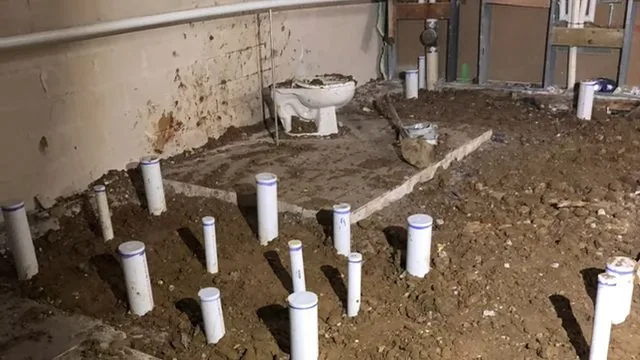
Rows of white drain pipes rising from a dug-out floor inside a building under renovation.
Drain risers set before a slab is poured are hard to change later, so the layout gets checked early.
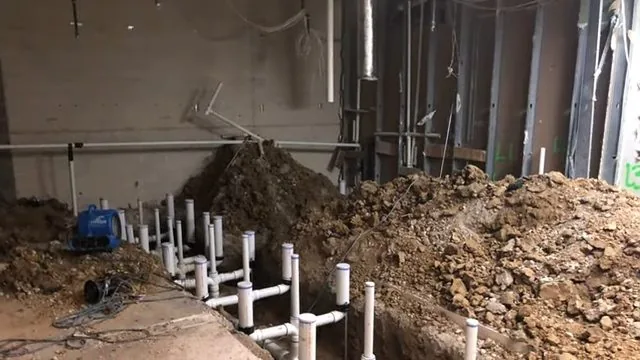
White PVC drain rough-in beside a mound of soil inside a building shell.
Drain rough-in happens before the floors and walls close up.
Restaurants

Restaurant kitchens: where the plumbing fails first

A kitchen runs hot water, grease and food waste through the same lines all day. Floor drains clog with solids, prep sinks back up when a trap is full, and dish machines strain water heaters. The first sign is usually a slow floor drain at the end of a busy shift. Hand sinks, mop sinks and three-compartment sinks all have their own drains, and health inspectors check them. A plumber who knows commercial kitchens will check the grease trap, the vents and the floor drain slope together instead of treating each in isolation. Keep a simple log of clogs and the times they happen. Patterns point to the cause faster than any single call, and they help a plumber set a trap cleaning schedule that fits your volume.

Retail and offices

Retail, offices and medical suites

These buildings run on restrooms, break room sinks and a water heater or two. Failures come as running toilets, slow urinals, leaking supplies and no hot water at a bad moment. Quick fixes keep a business open, and planned replacements deal with fixtures that fail repeatedly. Medical and dental suites add specialty sinks, vacuum and compressed air lines, and strict hours. Tell dispatch the hours you can be reached, and the plumber can plan access around patients and staff. For shared buildings, find out who owns each line. The tenant may be responsible for a fixture while the landlord owns the stack behind the wall, and a clear answer avoids a delay when water is already on the floor.

Planning

What to prepare for a commercial visit

Clear access to the mechanical room, label the shutoffs if they are unmarked, and tell staff who the plumber should contact on site. If alarms or sprinklers share a feed, mention it, since shutting the water off can trigger a fire system alert. Have the building address, the shutoff locations and a contact who can approve work ready. Know the water heater size and age, and the last time a grease trap or backflow device was serviced. For leased space, have the landlord contact at hand. Ask for a written scope before large repairs, covering what is being fixed, how long it takes, and when water will be off. In a business, the schedule often matters as much as the repair itself.

Commercial call

How a commercial call runs

01

Triage

Dispatch gets the building type and fault.

02

Arrive

A plumber isolates and assesses.

03

Repair

The immediate failure is fixed.

04

Plan

Follow-up work is scheduled around business hours.

Questions

Commercial answers worth having before you book

Business owners usually ask about response time, scheduling and paperwork. These short answers cover the common questions, and they apply to shops, kitchens and multifamily buildings alike. Give dispatch the building type and the problem, and the plumber will plan the visit around your hours.

Having the building address and the main shutoff location ready speeds up dispatch. Tell dispatch whether the problem is affecting customers right now, whether water can be isolated, and whether anyone on site has already tried a fix, so the plumber arrives with the right tools and knows what to check first.

Do you work outside business hours?

Dispatch answers 24/7, and a plumber serving your area responds as available.

How often should a grease trap be cleaned?

It depends on volume. Busy kitchens need shorter intervals.

Can a maintenance plan reduce emergencies?

Planned visits catch many failures early.

24/7 emergency dispatch

Commercial plumbing help? One call starts the response.

  • Licensed and insured plumbers
  • Same-day service when available
  • 24/7 emergency dispatch
Call (480) 806-2944 now →
Call now, 24/7