Serving Anthem, New River and Cave Creek24/7 Emergency Dispatch: (480) 806-2944
Desert Hills AZ Experts Plumbers24/7 PLUMBING DISPATCH · MARICOPA COUNTYCall (480) 806-2944 →
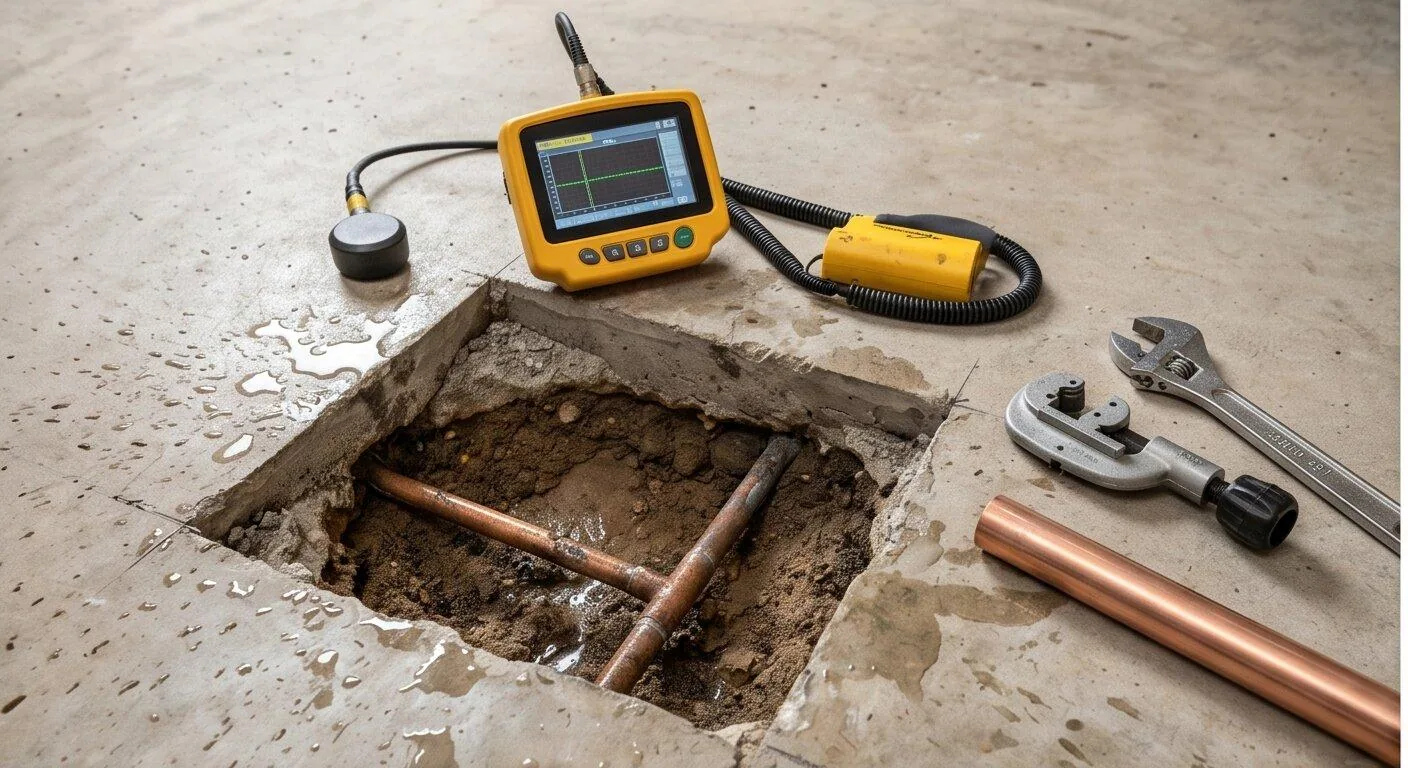
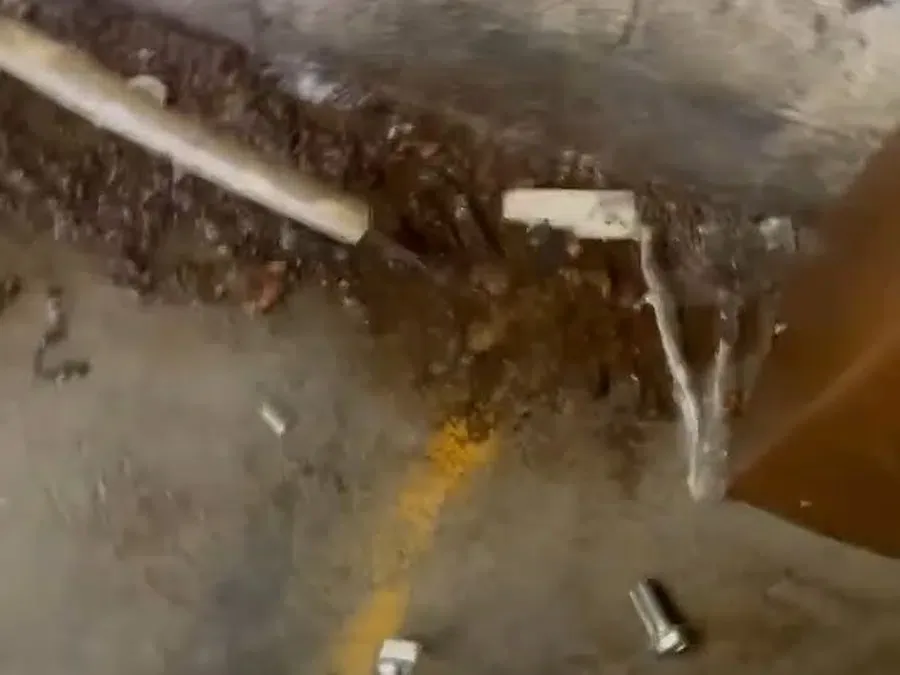
Square opening cut into a concrete floor showing a copper pipe, with a leak detector, wrench and pipe cutter beside it.
Once the leak is located, only a small section of floor has to come up.

Home » Services » Leak detection and repair

24/7 Emergency Line Open

Emergency Leak Detection and Repair for Desert Hills Homes

Leak detection is for the water you cannot see: a meter that keeps moving, a damp wall, a stain that returns. Call, describe the signs, and a plumber serving your area will find the source before opening anything.

Call (480) 806-2944 now →
  • Licensed and insured plumbers
  • Same-day service when available
  • 24/7 emergency dispatch
Leak detection service

Water leak detection services in Desert Hills: how a hidden leak gets found

Leak detection is the work of finding where water is escaping when nothing on the surface shows it. It is for the homeowner whose bill climbed with no change in habits, whose meter turns with every tap closed, or whose floor feels warm and damp in one spot.

A plumber starts with simple questions, not the biggest tools. Which fixtures were running, when did the change begin, and does the meter move overnight? Those answers narrow a whole house down to a few pipe runs before any equipment comes out of the truck.

Then comes the equipment, and electronic leak detection is the umbrella for most of it. Acoustic listening devices pick up the hiss of pressurized water in a pipe, thermal cameras show a cool or warm stripe where water travels through a wall or slab, and pressure tests, sometimes called hydrostatic tests, isolate one section of line at a time. Together they let a plumber mark the leak at a precise location instead of cutting exploratory holes.

How each detection method works
MethodWhat it picks upTypical use
Acoustic listeningSound of water escaping under pressurePipes in walls, under floors and in yards
Thermal imagingTemperature difference where water has traveledWall, ceiling and hot water line leaks
Pressure testingA line that cannot hold pressureConfirming which branch of the plumbing leaks
Meter and shutoff checkFlow with every fixture closedFirst step for any suspected hidden leak

Ask the plumber which method found the leak and why it points to that spot. A confident diagnosis comes with an explanation you can follow, and good leak location documentation: a photo of the mark and its distance from two fixed points, such as a wall corner and a door frame, so the repair opens the right place.
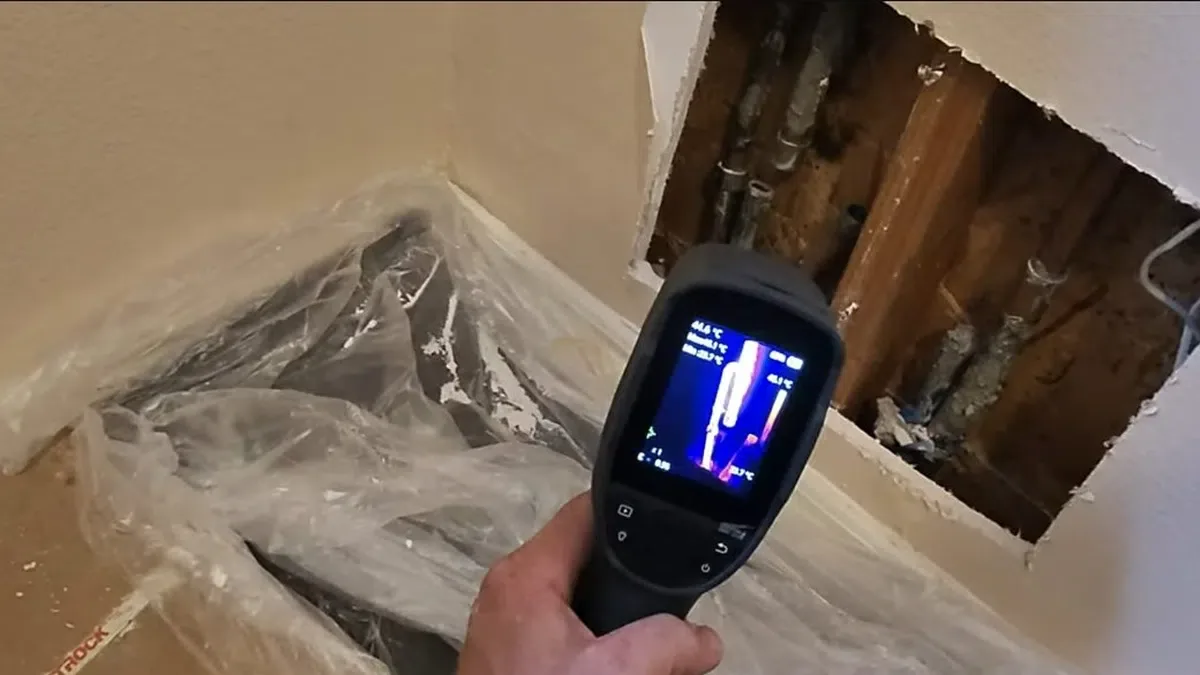
Person pointing a thermal imaging camera at an opened wall with exposed pipes.
A thermal camera shows temperature differences that can point to water moving inside a wall.
Leak repair

Leak repair: from a located leak to a closed wall

Once the leak is located, the repair choice depends on the pipe and where it runs. A failed fitting at an accessible joint is a short job. A pinhole in a copper run behind drywall means a small opening, a section replaced with a new length of pipe, and a patched wall. The plumber should tell you what the opening will look like before cutting, and what happens afterward. Access holes are usually patched to a rough finish, and paint or texture is a separate job for you or a painter. Repeat leaks change the conversation. If the same line has now failed in a second place, replacing the whole run costs less trouble than chasing each pinhole, and the plumber can show you the corroded sections that justify it.

A plumbing inspection or pipe condition check belongs alongside the repair. After the leak is fixed, the plumber looks at the pipe on either side, at the fittings and at the shutoff valves, because a pipe that failed at one point is often worn along its length. The check takes a short time and tells you whether the next failure is likely to be next month or next decade.

  • Ask where the opening will be and how large it will be.
  • Ask whether the pipe nearby shows the same wear as the failed spot.
  • Ask what the repair covers if the line leaks again at the same joint.

When one line keeps failing, the pipe repair and repiping page explains how a plumber weighs a patch against a replacement.

24/7 emergency dispatch

Hidden leak? Call and describe the signs.

Call (480) 806-2944 now →
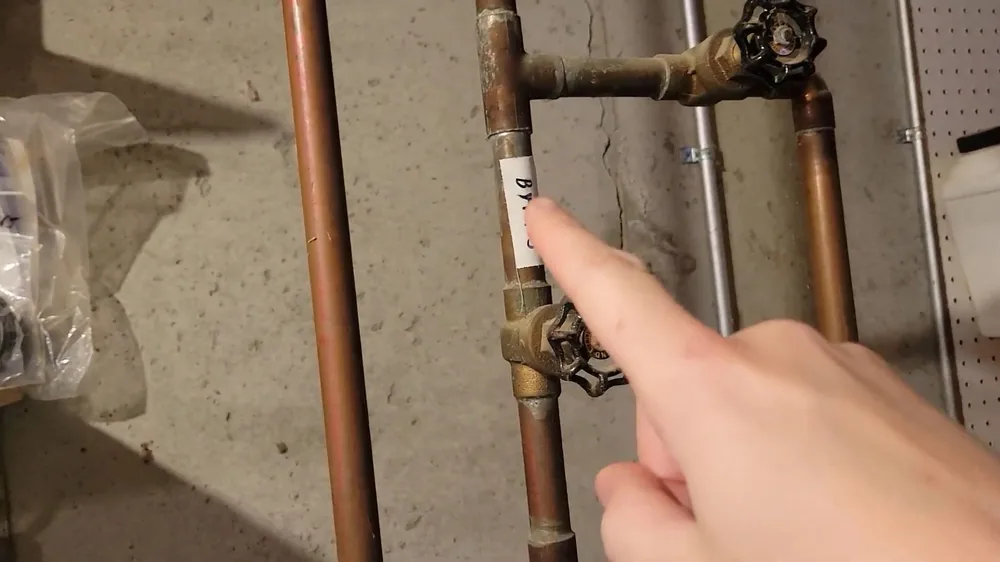
Finger pointing to a valve and copper pipes on a utility wall.
Tell the dispatcher where you have seen damp spots or heard running water so the search starts in the right place.
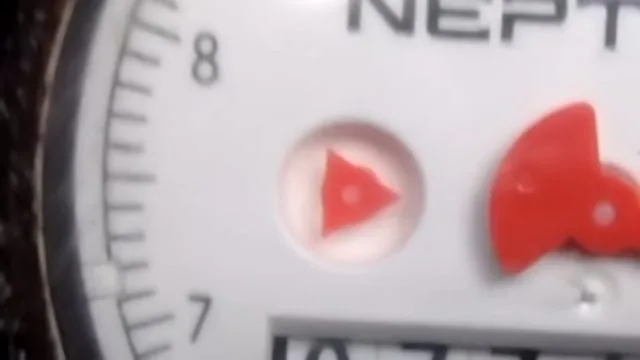
Close-up of a water meter dial with a red triangle flow indicator.
If the red triangle keeps turning with every fixture off, water is running somewhere it should not be.
Early signs

Signs of a hidden leak that homeowners notice first

Most hidden leaks announce themselves long before a ceiling falls. The trick is knowing which sign points where, because the wet spot is rarely above the leak itself.

Common signs and where to look
What you noticeWhat it often meansFirst check
Water bill rises with no change in useSteady loss on a supply line or service lineRead the meter with everything off
Sound of running water in a quiet houseLeak under pressure or a fixture that is not sealingListen near the water heater and the main valve
Warm patch on a floorHot water line leaking beneath the surfaceCall before the flooring lifts
Musty smell, bubbling paint or a spreading stainMoisture inside a wall or ceiling cavityPhotograph the spot and mark its edge
Low pressure at every tapA leak between the main and the houseCompare pressure at an outdoor spigot
Safety note

Water near outlets, light fixtures or a breaker panel is an electrical hazard. Stay away from the area, switch off power only if you can reach the breaker without stepping through water, and call.

A stain that dries and returns after each rain or each shower is still a leak. It is telling you the source is intermittent, which usually means a pipe or drain that leaks only under load.

Meter test

Read the meter first: is the high water bill a leak?

The water meter is the quickest honest witness. If you live on a utility system, find the meter box, open the lid and look for the low-flow dial or small triangle that spins when any water passes. With every tap, appliance and ice maker off, that dial should be still.

If it turns, water is leaving somewhere. Close the main valve at the house and watch again. A dial that stops means the leak sits on the house side of the valve. A dial that keeps turning points to the line between the meter and the house, which is a different repair and a different page.

Homes on a private well have no utility meter, so the same question gets answered by pump behavior: a pump that cycles on and off with no water in use is the usual clue. Tell the plumber which setup you have, because it changes the tests.

  1. Turn off every tap, the dishwasher, the washing machine and any ice maker.
  2. Open the meter box and note the low-flow dial.
  3. Wait fifteen minutes and check whether it moved.
  4. Close the main house valve and check again.
  5. Write down both readings for the plumber.

If the loss is on the line before the house, the water line repair page covers what comes next.

Behind surfaces

Wall, ceiling and under-floor leaks: reading the stain

A ceiling stain sits where the water finally dripped, not where it started. Water follows framing, travels along a pipe and soaks into the lowest, softest material it reaches. A plumber traces the stain backward to the fixture, drain or supply line above it. Wall leaks usually come from supply lines, shower valves or a drain connection. The giveaway is a stain that grows after use of one fixture. Run each fixture separately and note which one makes it worse.

Under a raised floor, in a crawlspace or in a basement, the clue is damp insulation or standing water on the ground. Homes built on a slab have no such space, so confirm what you have first, because a leak under a slab is found and repaired differently.

If the suspect pipe sits under concrete, move to the slab leak repair page for that process.

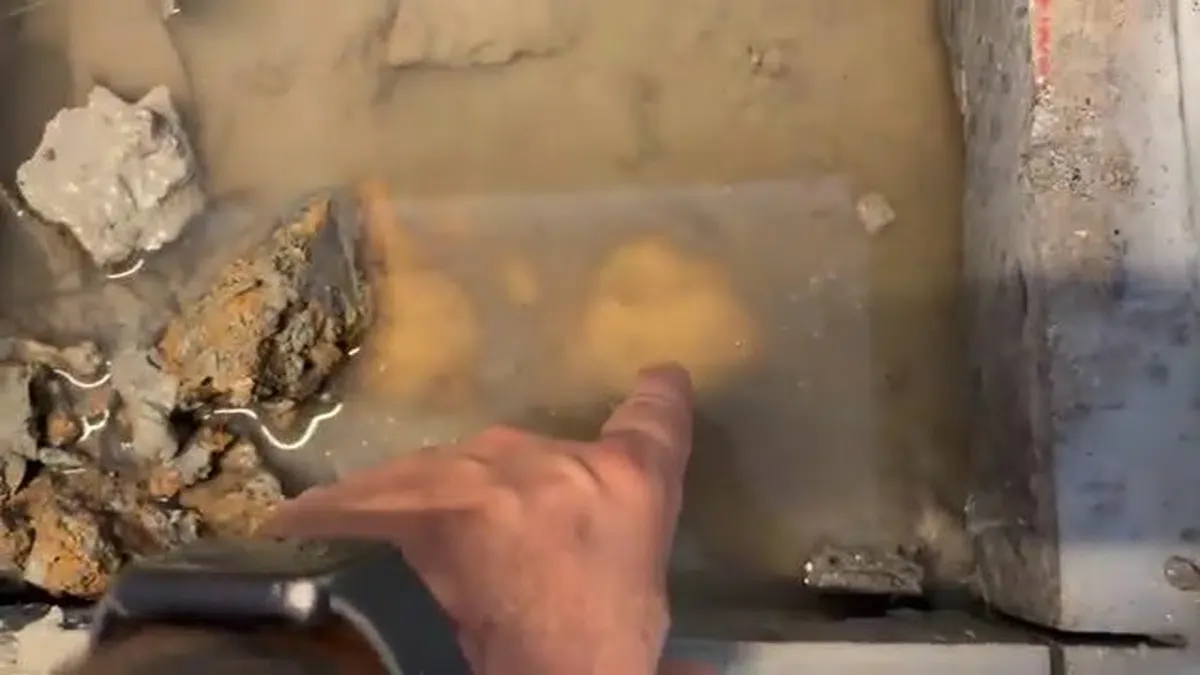
Finger pointing at a damp, discolored patch on a wall surface.
Stain color, spread and texture help tell an old leak from one that is still active.
Outdoors

Irrigation, sprinkler and pool leaks outside the house

Outdoor leaks are easy to dismiss as watering. A sprinkler zone that stays soggy, a patch of green in dry ground, or a hose bib that weeps after it is shut are all losses worth tracing, because they run all day.

Irrigation lines are shallow and quick to open, so a plumber can often isolate one valve at a time and find the broken head or fitting in a single visit. Pool plumbing is different. A pool that drops more than it should needs a bucket test and a pressure test of the return and suction lines before anyone digs. Pool leak work belongs here as one section, not its own service. If the pool equipment pad shows wet fittings or the water level keeps falling, mention it on the call so the right test is planned.

Scope

Where this page stops and the next repair begins

Not every leak belongs to leak detection. A running toilet or dripping faucet is a fixture repair, and the faucet and toilet repair page covers parts and valves. A burst or frozen line is a pipe repair or repiping question, covered in the repair section above. Once water has soaked drywall or flooring, drying and mold testing become the main work, and the water damage restoration guide explains it. For a leak that cannot wait until morning, the emergency plumber page on the homepage covers after-hours dispatch.

Gas is a different emergency. Get everyone outside and call the gas utility or 911 from there. The gas line installation page covers the inspection that follows once the utility has made the area safe, and why no joint is ever tested with a flame.

Supply and digging

Utility water, private wells and the locate call

Tell the plumber how your water arrives, because it changes the first test. A home on a utility system has a meter to read. A home on a private well has a pump and pressure tank, and a leak shows up as a pump that cycles when nothing is running.

Yard lines add a second step. Any trench to reach a buried line starts with a request to Arizona 811, which handles the underground utility locate call and expects it two full working days before a trench opens. The plumber places the request, and you should not dig before the marks go down. Once the lines are marked, the repair can follow the route the marks show instead of guessing. That keeps a small leak repair from becoming a damaged cable or gas line.

Source: Arizona 811.

24/7 emergency dispatch

Leak found or only suspected? Dispatch answers 24/7.

Call (480) 806-2944 now →
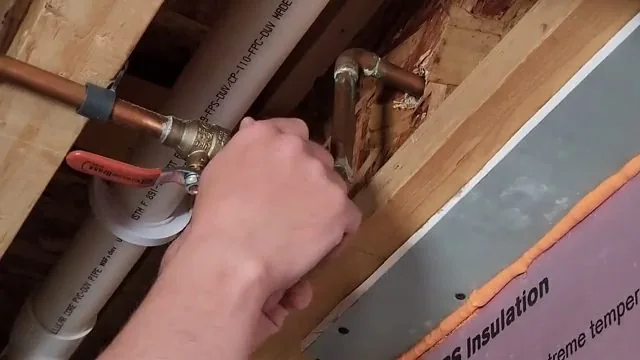
Hand on a copper pipe fitting with a red handle inside an opened wall with pink insulation.
Opening the wall near a fitting is the quickest way to check a suspected joint leak.
Water trickling from a pipe fitting at the base of a masonry wall.
A slow drip at a fitting can wet the floor for weeks before anyone notices.
The visit

What a leak detection visit looks like

01

Describe

You explain the signs, the dates and any recent work on the house.

02

Isolate

The plumber closes valves and reads the meter to narrow the area.

03

Locate

Listening gear, a thermal camera or a pressure test marks the spot.

04

Explain

The plumber lays out the repair options before cutting a wall.

Questions

Leak questions homeowners ask before they call

Should I shut off the water at the main?

Yes, if you cannot find the source or the water is spreading. Closing the main stops the loss while you wait, and opening a low faucet relieves pressure in the lines.

Will my insurance pay for the leak?

Policies differ, and a plumber cannot decide coverage. Photograph the damage, keep any removed pipe, and ask the plumber for a written description of the cause to send your insurer.

Do you handle shops and apartment buildings too?

Yes. Commercial leaks are traced the same way, and the commercial building plumbing page covers the building types that call most.

Is a small leak worth a night call?

A leak you can contain by closing a valve can wait until morning. One that you cannot stop, or that is near electrical equipment, should not.

24/7 emergency dispatch

Stop guessing where the water is going. One call starts the search.

  • Licensed and insured plumbers
  • Same-day service when available
  • 24/7 emergency dispatch
Call (480) 806-2944 now →
Call now, 24/7