Serving Anthem, New River and Cave Creek24/7 Emergency Dispatch: (480) 806-2944
Desert Hills AZ Experts Plumbers24/7 PLUMBING DISPATCH · MARICOPA COUNTYCall (480) 806-2944 →
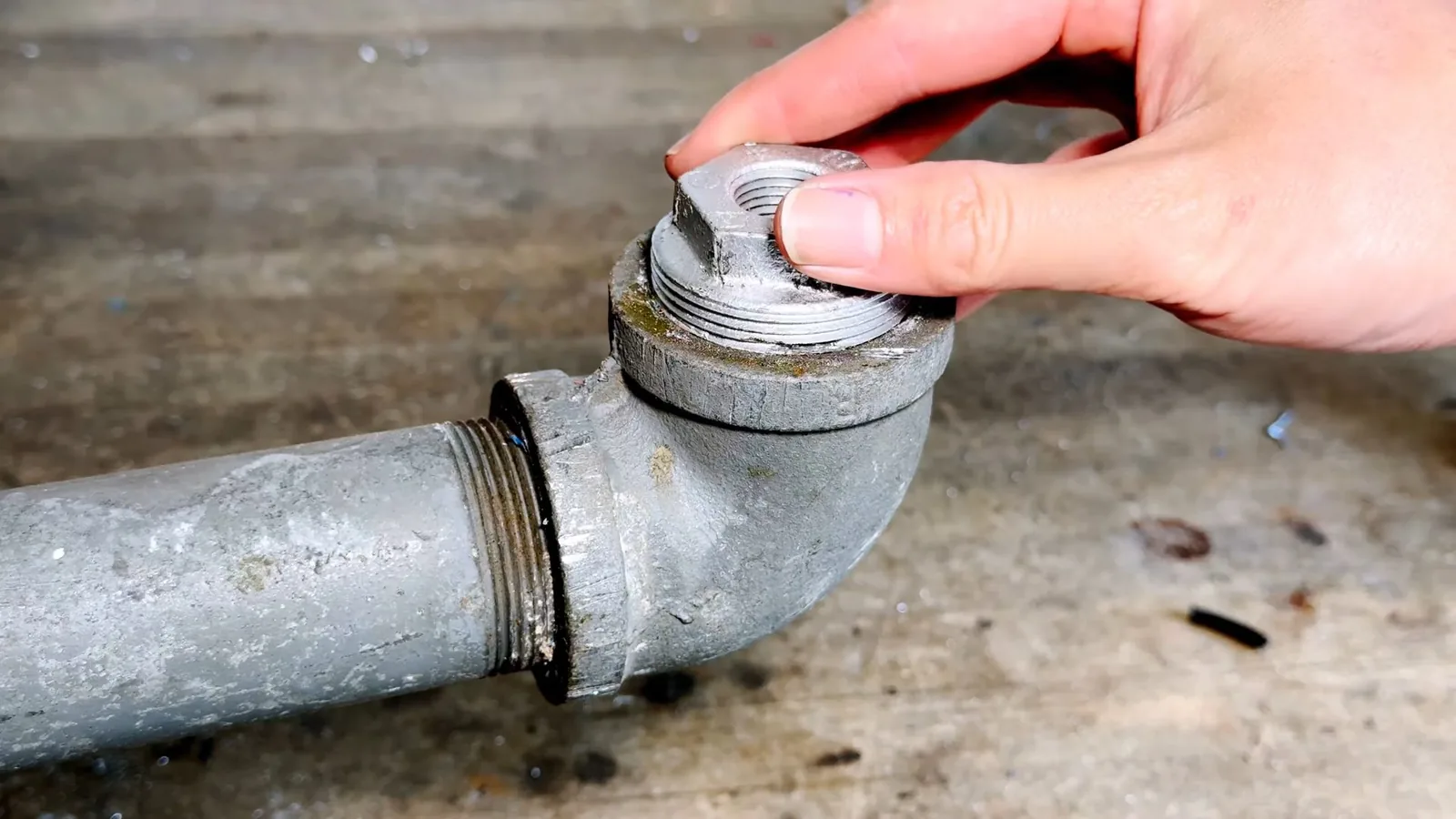
Hand tightening a threaded cleanout plug on a galvanized drain pipe.
A cleanout gives a plumber direct access to the main drain without opening a wall.

Home » Services » Drain cleaning

24/7 Emergency Line Open

Clogged Drains in Desert Hills: Cleaning, Jetting and Snaking

A drain that will not clear is a problem with a cause, and clearing it once is only half the job. Describe the symptom, and a plumber serving your area brings the right tool and checks why it clogged.

Call (480) 806-2944 now →
  • Licensed and insured plumbers
  • Same-day service when available
  • 24/7 emergency dispatch
Drain cleaning

Drain cleaning in Desert Hills: matching the method to the clog

Drain cleaning is the work of clearing a blocked or slow drain and getting water moving again. It is for the sink that holds water, the tub that drains in minutes instead of seconds, and the toilet that backs up when the washer runs.

The method depends on what is blocking the line and where. A hair and soap clog in a tub trap is a short job with a hand tool. A grease plug in a kitchen line, or roots in a long run to the street, needs something stronger. The plumber chooses by symptom, access and what the line is made of.

Chemical drain openers are tempting, but they sit in a standing clog and can damage some pipes and fittings, and a plumber working on a line full of caustic fluid has a harder time. If you have already used one, say so on the call.

Which method fits which clog
ProblemLikely methodWhy
Hair or soap in a tub or showerHand tool or small cableClog sits near the fixture
Food or grease in a kitchen lineCable, then jetting if grease coats the pipeGrease lines the pipe wall
Repeated slow drains in several fixturesMain line cable or jettingThe clog is in the shared line
Roots entering a lineRooter blade, then a camera checkRoots regrow if the pipe is open
Gurgling after cleaningCamera inspectionPipe may be bellied or cracked
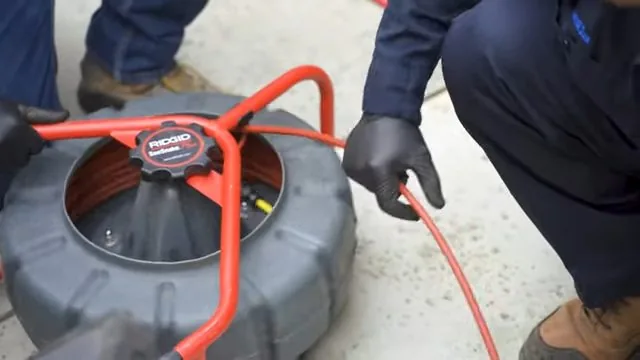
Gloved hands guiding a red cable from a drum-style drain cleaning machine on a driveway.
A cable machine can break through roots and grease that a plunger never reaches.
Symptoms

Slow, gurgling or backed up: reading what the drain is telling you

How a drain misbehaves points to where the problem is. One slow fixture usually has its own clog. When the tub gurgles after you flush a toilet, or water rises in a floor drain when the washing machine empties, the blockage is further down the line, where every fixture shares the pipe. A backup that is spilling onto a floor right now moves ahead of scheduled work. Mention it first thing, and say whether the water is clear, gray or dark, because that tells dispatch how serious the blockage is.

Smell is a clue too. A sour or rotten odor from a single drain often means buildup in the trap or the pipe just beyond it. Odor in several places, or a sewer smell outside near the cleanout, can mean the main line is partly blocked.

Snaking

Snaking, rooter and auger work on a stubborn clog

A drain cable, also called a snake or auger, is a flexible steel line with a cutting or retrieving head. Fed through the pipe by a motor, it breaks through the clog or hooks it so it can be pulled out. Rooter blades add cutting edges for roots and heavy scale.

The skill is in matching cable size to pipe size. A thin cable punches a hole through a clog and leaves a pipe wall coated with debris, so the drain looks fixed and slows again within weeks. A plumber who cleans the walls as well as the center gives the work a longer life. After the cable runs, a good plumber flushes water through and watches it drain. If water still moves slowly, the blockage is not cleared, or the pipe has a dip, a crack or a joint that holds debris.

Hydro jetting

Hydro jetting: when water pressure does what a cable cannot

Hydro jetting sends high-pressure water through a nozzle that scours the inside of the pipe. Water cuts grease, scale and soft debris off the walls rather than boring a hole through it, which is why it suits long, repeat-clog lines and kitchen drains.

It is not for every pipe. A plumber looks first with a camera, because jetting an old, cracked or collapsed line can make a break worse. A line that passes inspection can be jetted with confidence, and the result is a pipe that looks clean on camera rather than only draining. Ask whether the plumber recommends jetting or a cable, and why. The answer should come from what the camera showed, not a standard package.

24/7 emergency dispatch

Drain backing up? Call now and describe where the water shows.

Call (480) 806-2944 now →
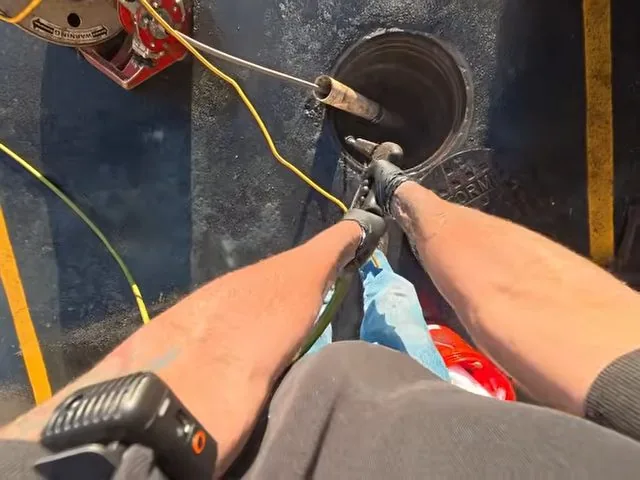
Gloved hands feeding a camera cable into a round drain access opening.
A camera cable run shows where the blockage sits before any cutting or digging.
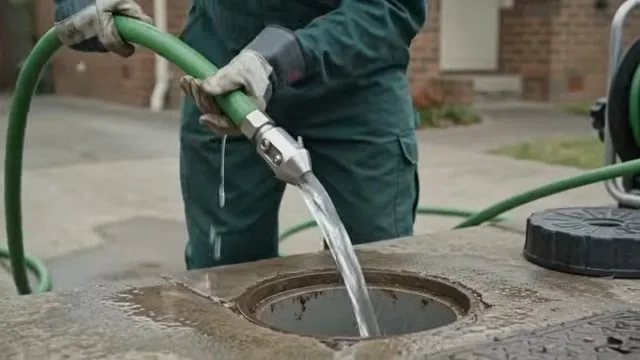
Hose pushing a strong stream of water into an open drain access cover.
Flushing with water after clearing helps carry loosened debris down the line.
Fixtures

Kitchen sink, toilet and tub: three drains, three different clogs

Kitchen sink lines carry grease and food, so the clog often sits a few feet from the sink where the grease cooled and hardened. A dishwasher that backs into the sink points to the same line or to a clogged air gap.

A toilet clog is usually in the toilet trap or the first few feet of the drain. A plunger works on many of them. If a plunger fails, or the toilet backs up into a tub or shower, the blockage is further down and the toilet itself is not the problem. Bathtub and shower drains clog with hair and soap, and the stopper or strainer is often the first culprit. If a faucet or toilet part has failed rather than clogged, see the fixture repair page.

Safety note

Never mix drain cleaners, and do not run water into a backed-up line near an electrical panel. Standing water over a floor drain can carry sewage, so keep children and pets away and wash your hands after contact.

Pipe condition

Cast iron and old drain pipe: when cleaning is not the fix

Older homes often have cast iron or clay drain pipe that scales on the inside. The roughened wall catches debris and the pipe narrows, so clogs return no matter how often the line is cleaned. A camera shows the pipe wall, any cracks, and where the line sags and holds water. When the pipe is the problem, the options are a repair of the failed section, a liner for a sound but rough pipe, or replacement of the run. Which one fits depends on what the camera found and what the pipe is made of. A failed line between the house and the street is a different job. The sewer line repair page covers repair, replacement and trenchless options.

Sewer or septic

Sewer or septic: know which system your drain feeds

Some homes drain to a public sewer, and some drain to a septic tank and drain field. The distinction matters because a clog in a septic home can also mean a full tank or a failing drain field, and cable and jetting tools can harm a septic system if used without that knowledge.

Homeowners most often maintain their own onsite wastewater system, and Maricopa County Environmental Services runs the county onsite wastewater program with guidance for homeowners.

Sources: Maricopa County Environmental Services Department, Onsite Wastewater Guide for Homeowners (rev. 11/19/2025); Town of Queen Creek, How to Care for Your Septic System.

Tell the plumber which you have. Septic tank pumping and drain field repair are septic services rather than plumbing drain cleaning, so the plumber will tell you if the symptom points there.

Main line

Main line clogs, tree roots and camera checks

When several fixtures slow together, the main line carries the blockage. A plumber opens the cleanout, runs a cable toward the street and reads how the cable behaves. Resistance at a fixed distance often means roots or a joint offset.

Tree roots find joints and cracks in search of moisture and grow into the pipe. A camera shows how much of the pipe is affected. Cutting roots clears the line for now, but a recurring root problem usually means a repair or lining is the better answer. A camera inspection after cleaning confirms that the line is open end to end and records any damage. Ask for the video or a written note on what was seen.

Small jobs

Floor drains, odors and kitchen lines in shops and restaurants

Floor drains in garages, laundry rooms and basements dry out, and the trap loses its water seal, which lets sewer gas rise. Pouring water into an unused drain often stops the smell, and persistent odor points to a deeper cause. In commercial kitchens that cook for the public, grease is the main enemy, and it collects in the lines under the exhaust hood as well as at the sinks. Regular line cleaning keeps it from becoming a stoppage.

Businesses that run kitchens or public restrooms have their own routine, and the commercial plumbing guide covers it. Yard and storm drainage questions, such as water pooling after rain, are a different category from interior drain cleaning, so describe where the water collects. A patio or yard drain is cleared with the same tools, but the plumber should also check where it discharges.

24/7 emergency dispatch

Slow drain or full backup, one call starts it.

Call (480) 806-2944 now →
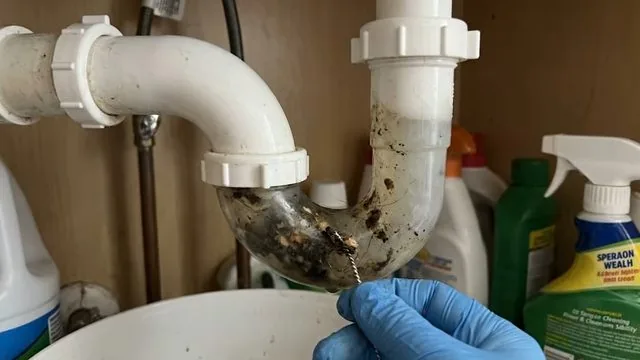
Gloved hand removing a clogged sink trap with debris inside, beside cleaning bottles under a sink.
The trap under a sink is the first place hair, grease and soap residue collect.
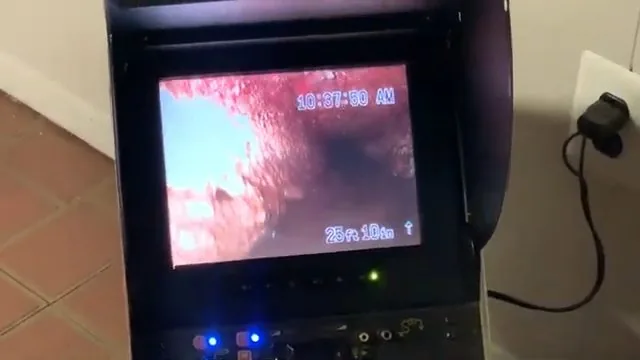
Drain inspection monitor showing a reddish pipe interior on screen.
The camera screen shows what the pipe looks like inside, so you see what the plumber sees.
Service steps

How a drain call runs from the first question to a flowing line

01

Ask

Which fixtures are slow and when did it start?

02

Clear

Cable or jetting clears the blockage at its source.

03

Check

Water is run through to confirm the line drains.

04

Advise

You hear whether a camera check or repair is wise.

Questions

Drain questions homeowners ask before they dial

Can I use a chemical drain cleaner first?

You can, but many plumbers advise against it. Caustic fluid can damage some pipes and sits in the line for the plumber to deal with. Tell dispatch if you used it.

Why does my drain keep clogging?

Repeat clogs usually mean buildup on the pipe wall, a sag that holds water or roots. A camera inspection finds which one.

How do I know if it is the main line?

If more than one fixture backs up, or a low drain gurgles when you run water elsewhere, the shared line is the likely cause.

Is a backed-up drain an emergency?

Yes when sewage comes up in the house. Stop using water, keep people away from the wet area and call.

24/7 emergency dispatch

Clear the clog and find the cause. One call starts it.

  • Licensed and insured plumbers
  • Same-day service when available
  • 24/7 emergency dispatch
Call (480) 806-2944 now →
Call now, 24/7