Serving Anthem, New River and Cave Creek24/7 Emergency Dispatch: (480) 806-2944
Desert Hills AZ Experts Plumbers24/7 PLUMBING DISPATCH · MARICOPA COUNTYCall (480) 806-2944 →
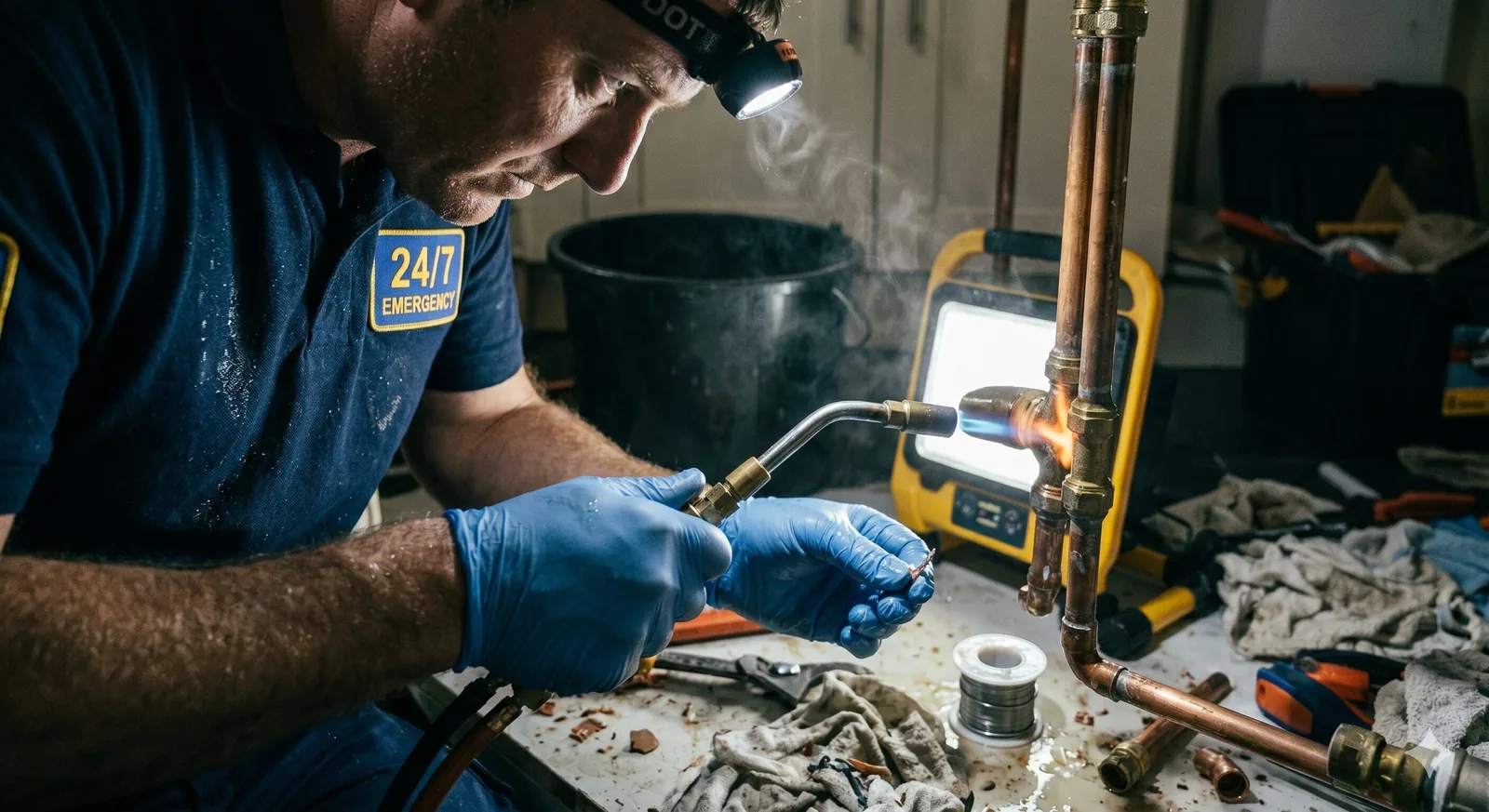
Plumber in a headlamp and gloves soldering copper pipe at a workbench with a work light.
Repiping in copper means cutting and soldering each joint by hand.

Home » Services » Repiping and pipe repair

24/7 Emergency Line Open

Burst Pipe Repair and Whole-House Repiping in Desert Hills

A burst pipe is a race against the water. Shut off the main, then call, and a plumber serving your area will tell you whether a section repair will hold or the whole line is near the end of its life.

Call (480) 806-2944 now →
  • Licensed and insured plumbers
  • Same-day service when available
  • 24/7 emergency dispatch
Pipe replacement

Pipe replacement: when one failed section means more are coming

A pipe replacement job usually starts as a repair call. One section fails, the plumber cuts it out and the water comes back on. The real question is whether the pipe around that section is sound or whether it is the first of several failures.

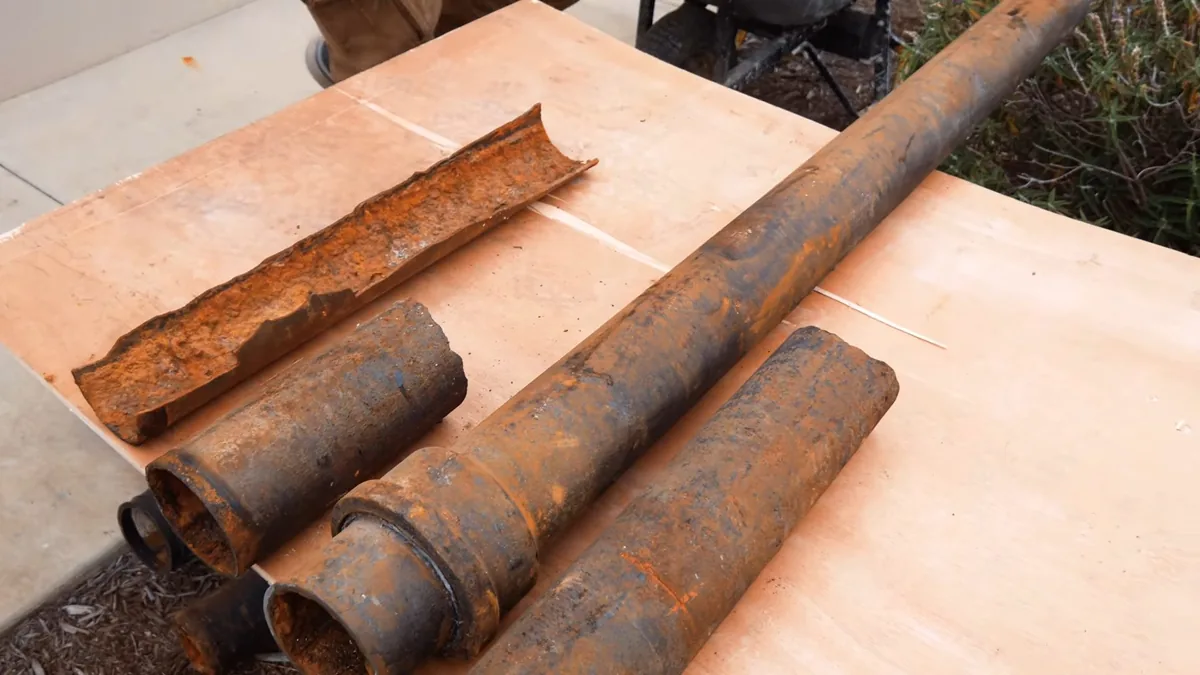
Look at the cut pipe. Clean copper with a smooth wall inside is a one-off. A wall worn thin, crusted with scale or pitted from the inside means the rest of that run is aging the same way. Galvanized steel narrows with rust until flow drops, and the pipe fails at threaded joints first.

A good plumber shows you the cut section and explains what it says. The choice between patching and replacing a run depends on how much of the line looks like the failed piece, how hard the pipe is to reach, and how much damage another failure would do.

Lines under a slab or buried outside the house are a special case. An under-slab or underground run cannot be inspected by eye, so the plumber uses a pressure test and a leak locator to confirm where the failure is before any cutting, and then compares a spot repair to a reroute through the walls or attic.

Repair or replace: what the failed pipe tells you
What you seeWhat it suggestsUsual path
Clean copper, isolated pinholeA local flawCut out and replace the section
Thin, pitted wallWear along the runReplace the run
Rust scale and low flowGalvanized agingPlan a repipe
Leaks at several jointsSystem-wide wearCompare repipe cost to repeated repairs
Cut sections of rusted cast iron pipe lying on a tile surface.
Rust through the wall of an old pipe suggests the neighboring sections are aging too.
Cold and thaw

Frozen pipe: what to do before and after the thaw

Freezing sounds unlikely in the desert, but it happens. Forecasters at the Phoenix office of the weather service have posted freeze alerts in recent winters that covered parts of the north valley, and exposed lines are hit first: hose bibs, pipes on a north wall, and supply lines in an unheated garage or an attic.

The damage often appears after the thaw, not during the freeze. Ice can split a pipe quietly, and the water only runs when the ice melts. If a faucet gives no flow on a cold morning, close the main valve before the sun warms the pipe, and look for a bulge or a frost line along the exposed run. Thaw slowly. A hair dryer on low, moving along the pipe from the faucet end, is safer than a flame, which can scorch framing and damage fittings. Open the faucet so melting water has somewhere to go.

Recent winters brought freeze alerts that named communities near Desert Hills.

Sources: NWS Phoenix freeze statement (Jan. 2025) and The Arizona Republic (Dec. 2019).
24/7 emergency dispatch

Pipe burst or leaking? Shut off the main and call now.

Call (480) 806-2944 now →
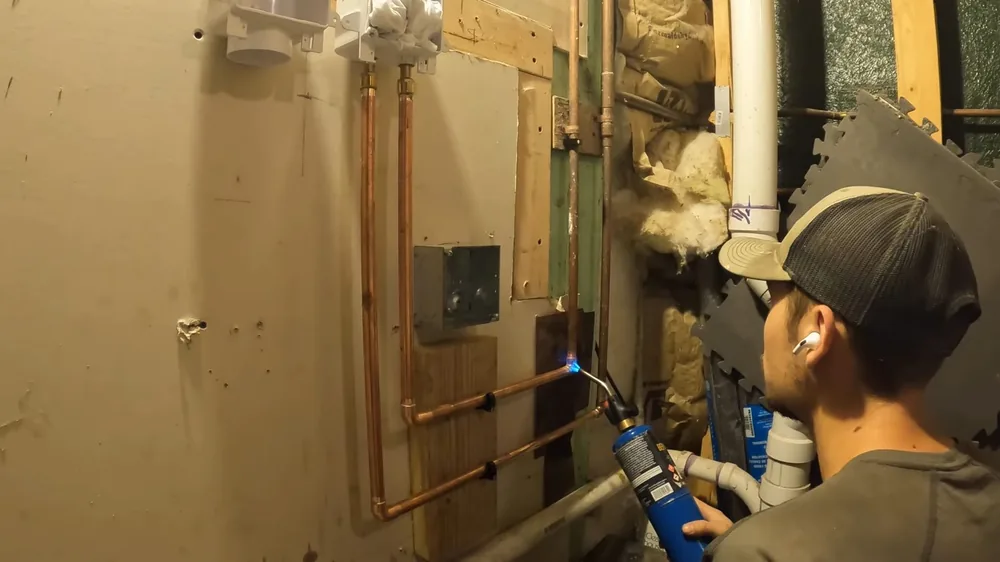
Man in a cap holding a torch to a copper pipe joint in a utility room.
Torch work on copper joints happens after the water is off and the line is drained.
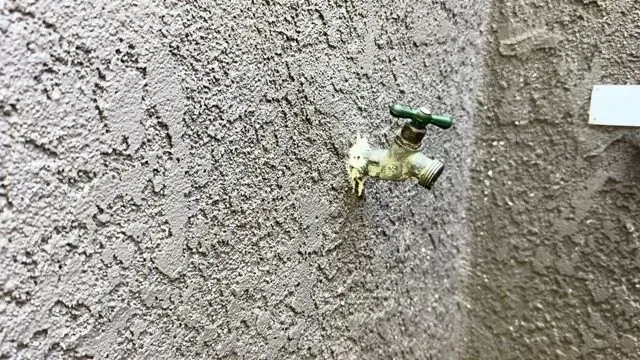
Outdoor faucet mounted on a stucco wall.
A leaking outside spigot can send water behind the wall before it shows on the surface.
Copper

Copper pipe: pinholes, pressure and what pitting means

Copper has served American homes for generations and still sets the standard for supply lines. It also fails in a recognizable way. Tiny pinholes open from the inside, often in the same area of a house, and the cause is usually the water chemistry or velocity rather than a bad installation.

One pinhole is a repair. Several in one season usually point to a run that has worn through at weak spots. Ask the plumber to look at the inside of the cut pipe for pitting, since that is the evidence that decides between patching and replacing. Water that runs fast through bends and fittings wears copper thin there first, which is why failures cluster near turns, valves and the water heater connections. A run with several tight turns deserves a closer look than a long straight one.

Whole house

Whole-house repiping: scope, access and living through it

Repiping replaces the supply lines through the house. The plumber runs new pipe to each fixture, connects it at the main and the water heater, and abandons or removes the old lines. Most of the work happens in walls, ceilings, attics and crawl areas, so the job is as much about access as about pipe.

Ask how the plumber plans to reach each run and how the wall openings will be handled. Drywall patching is often part of the job but may be priced separately, so confirm what is included. Water is off during the work, usually for part of each day, and a plan for showers and cooking helps. If the leak is under the floor, a separate approach applies, and the concrete slab leak page explains the reroute option that avoids tearing up the slab. The homepage lists every service if the problem turns out to be elsewhere in the house.

24/7 emergency dispatch

Whole-house pipe trouble? Dispatch answers 24/7.

Call (480) 806-2944 now →
Pipe repair

Pipe repair options: clamps, couplings and sections

Repairs range from a temporary clamp to a cut-in section. A clamp stops a pinhole fast and buys time until a plumber can do a lasting repair. A coupling joins two cut ends. A replaced section is the cleanest result, with new pipe soldered or pressed in.

Emergency repairs should be treated as the first step. Ask how long the repair is expected to hold and what the next step is if it fails again. A plumber should say plainly whether a clamp is a stopgap or the final fix, and note on the invoice which method was used and where. Keep the cut-out section if you can. It lets a second opinion look at the cause, and it helps an insurer see why the pipe failed.

Burst pipe

Burst pipe: the first ten minutes decide the damage

When a pipe bursts, speed matters more than anything else. Close the main shutoff, open a faucet at the lowest point of the house to drain the lines, and cut power or gas to the heater so the tank is protected. Move belongings out of the wet area and photograph the damage for any insurance claim. Write down the time the leak started and the time the water was off, since those facts help later. Once the water stops, check the ceiling below the leak. A sagging or bulging ceiling holds water, and a small hole to release it prevents a collapse, but only do this from a safe spot and with the power off in that room. Standing water is a hazard, especially near outlets. Leave the area if water reaches electrical equipment. The drying and restoration page walks through drying and mold risk after the source is shut off.

Materials

Other pipe materials: galvanized, PEX, CPVC and polybutylene

Galvanized steel from older homes corrodes inward until flow drops. PEX is flexible plastic that resists freezing better than rigid pipe but must be protected from sunlight. CPVC is rigid and can turn brittle with age. Polybutylene, a gray plastic used in some homes decades ago, has a history of failures at its fittings and is a common reason for repiping.

Cast iron and PVC appear in drain lines rather than supply. Ask which materials are in your house and whether any are known problem types, and ask for the answer to be written on the estimate. A moisture meter and a pressure test are quick ways to check a suspect line before it fails.

24/7 emergency dispatch

Pinholes, bursts or old pipe? One call starts the plan.

Call (480) 806-2944 now →
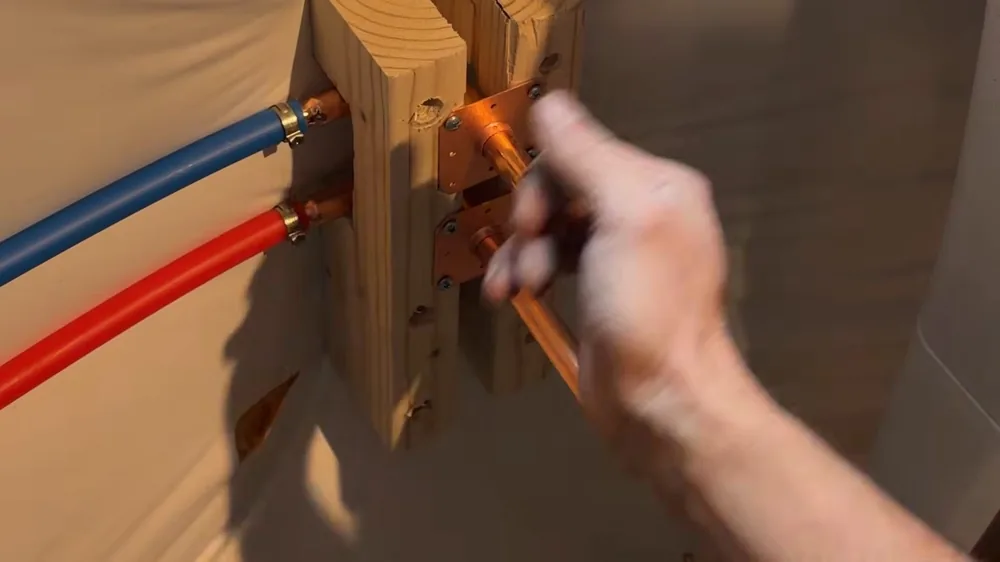
Hand adjusting a copper fitting where red and blue PEX lines meet a wooden mounting board.
Red and blue PEX tubing is one option when a plan calls for new supply lines.
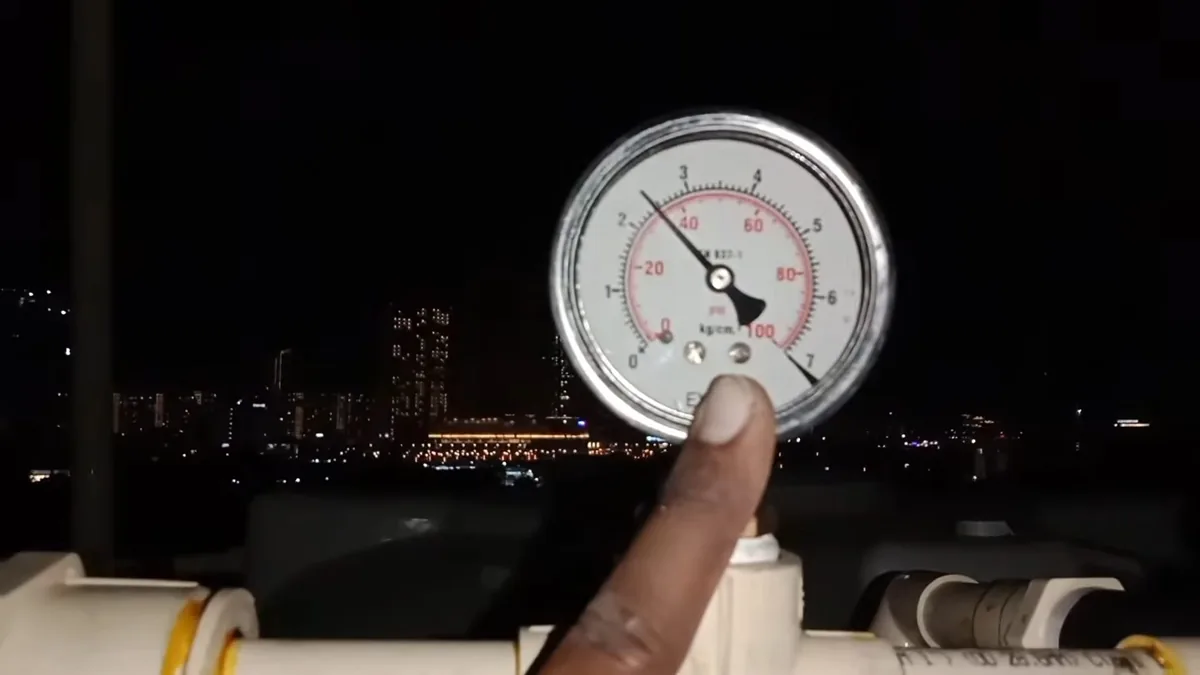
Finger on the face of a pressure gauge dial mounted on a pipe at night.
High water pressure strains older supply lines, so a gauge reading is part of a repiping check.
Repair visit

How a pipe repair call runs

01

Stop

Water is shut off and the leak is isolated.

02

Locate

The failed section and its neighbors are inspected.

03

Repair

A clamp, coupling or new section is installed.

04

Test

Pressure is checked before walls are closed.

Questions

Repiping answers worth having before you book

How do I tell a repair from a repipe?

Check how many leaks have shown up and how the cut pipe looks inside. A clean wall suggests a one-off, and heavy scale suggests wear along the run.

Should I repipe after a pinhole leak?

Not always. One pinhole in sound pipe is a repair. Several leaks in a short time suggest wear along the run, and a repipe may cost less than repeated repairs.

How long does a repipe take?

Many houses take a few days, depending on size, access and wall repair. Water is usually off for part of each day.

Is polybutylene piping a problem?

It has a history of failures at fittings, and many owners replace it. Ask a plumber to identify what you have.

24/7 emergency dispatch

Do not wait on a leaking pipe. Call now.

  • Licensed and insured plumbers
  • Same-day service when available
  • 24/7 emergency dispatch
Call (480) 806-2944 now →
Call now, 24/7