Serving Anthem, New River and Cave Creek24/7 Emergency Dispatch: (480) 806-2944
Desert Hills AZ Experts Plumbers24/7 PLUMBING DISPATCH · MARICOPA COUNTYCall (480) 806-2944 →
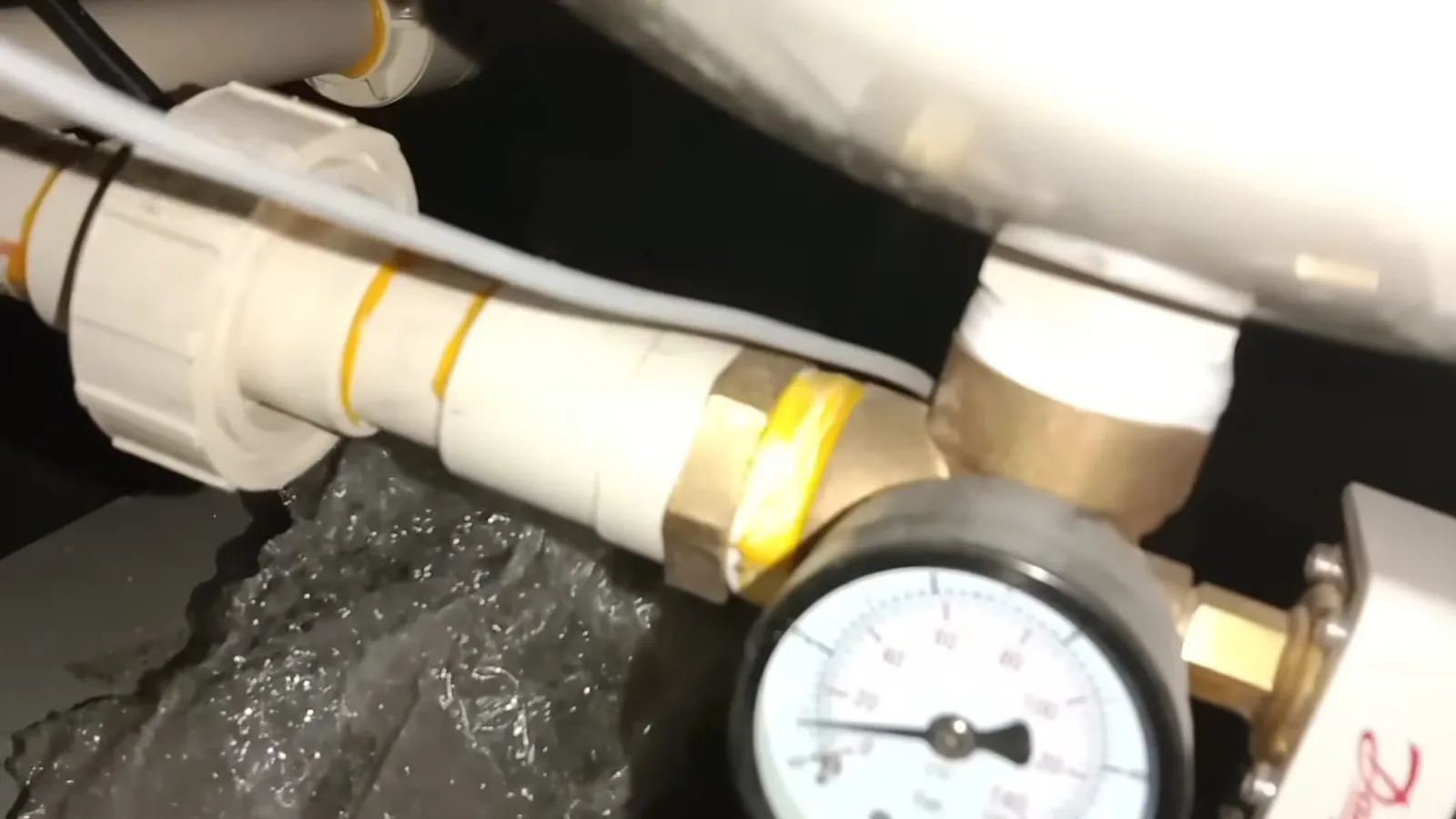
Pressure gauge mounted on a brass and white pipe assembly above a wet surface.
A gauge on the line is how a pressure test shows whether the pipe holds.

Home » Services » Gas line installation and repair

24/7 Emergency Line Open

Gas Line Repair, Leak Checks and New Gas Piping in Desert Hills

If you smell gas, leave the house first and call from outside. Everything else on this page can wait until the air is clear, and a plumber serving your area can then explain repair, testing and new lines.

Call (480) 806-2944 now →
  • Licensed and insured plumbers
  • Same-day service when available
  • 24/7 emergency dispatch
Safety first

Smell gas? What to do before you call anyone

A sulfur or rotten-egg smell near an appliance, a hissing sound at a pipe, or dead plants along a buried line can mean a gas leak. Treat it as an emergency until proven otherwise.

Do not switch lights on or off, do not use a phone inside, and do not light anything. Get everyone and the pets out, then call the gas utility serving your address and emergency services from outside. After the utility clears the house, a plumber can find and repair the cause.

If you smell gas

Leave the building, call from outside, and stay out until the utility says it is safe. Do not try to find the leak yourself.
Repair

Gas line repair: finding the leak and fixing it for good

Gas leaks are found with a pressure test and a bubble solution or an electronic detector at each joint. The usual suspects are threaded joints, flexible appliance connectors, the valve at an appliance and corroded sections of old pipe. A repair is never a patch. A failed joint is remade or replaced, and a worn section is cut out and rebuilt. The plumber then tests the whole run again and checks every appliance for correct operation before the gas stays on.

Common gas leak points
LocationWhy it leaksFix
Threaded jointThread wear or poor sealantRemake the joint
Flexible connectorAge or movementReplace the connector
Appliance valveWorn stem or sealReplace the valve
Corroded pipe sectionRust or moistureReplace the section
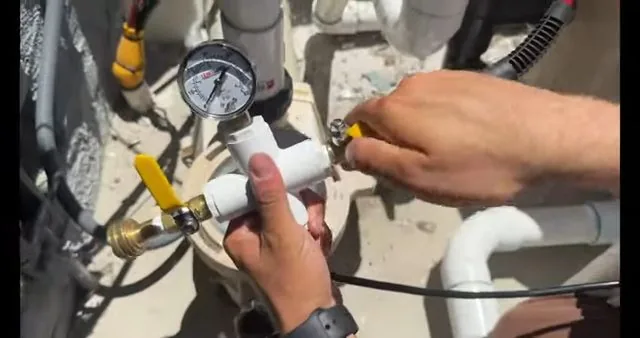
Hand adjusting a regulator and gauge assembly on a pipe with yellow valve handles.
Watching the gauge during a pressure test helps show whether a line is losing pressure.
24/7 emergency dispatch

Gas smell or a failed line? Leave first, then call.

Call (480) 806-2944 now →
Installation

Gas line installation: sizing, routing and permits

A new gas line serves a range, dryer, water heater, fireplace, barbecue, fire pit or pool heater. The plumber sizes the pipe from the total load on the line and the distance from the meter, because an undersized line starves appliances when several run at once. Permits come into it too. Maricopa County Planning and Development lists new gas lines for barbecues, fireplaces, fire pits and pool heaters among permit items, and propane tanks under 250 gallons are listed too. Confirm what applies to your address before work begins.

The county permit list includes new gas lines for barbecues, fireplaces, fire pits and pool heaters, and propane tanks under 250 gallons, among items needing a permit.

Permit list: Maricopa County building services (maricopa.gov/1629).
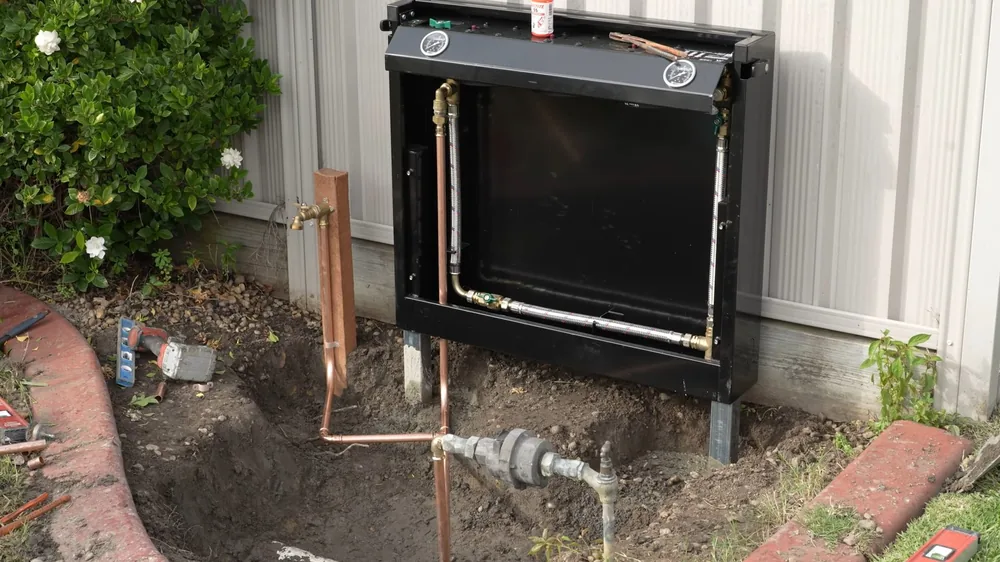
Outdoor utility cabinet beside a house wall with copper pipe rising from freshly dug ground.
Where a line enters the house is settled before the digging starts.
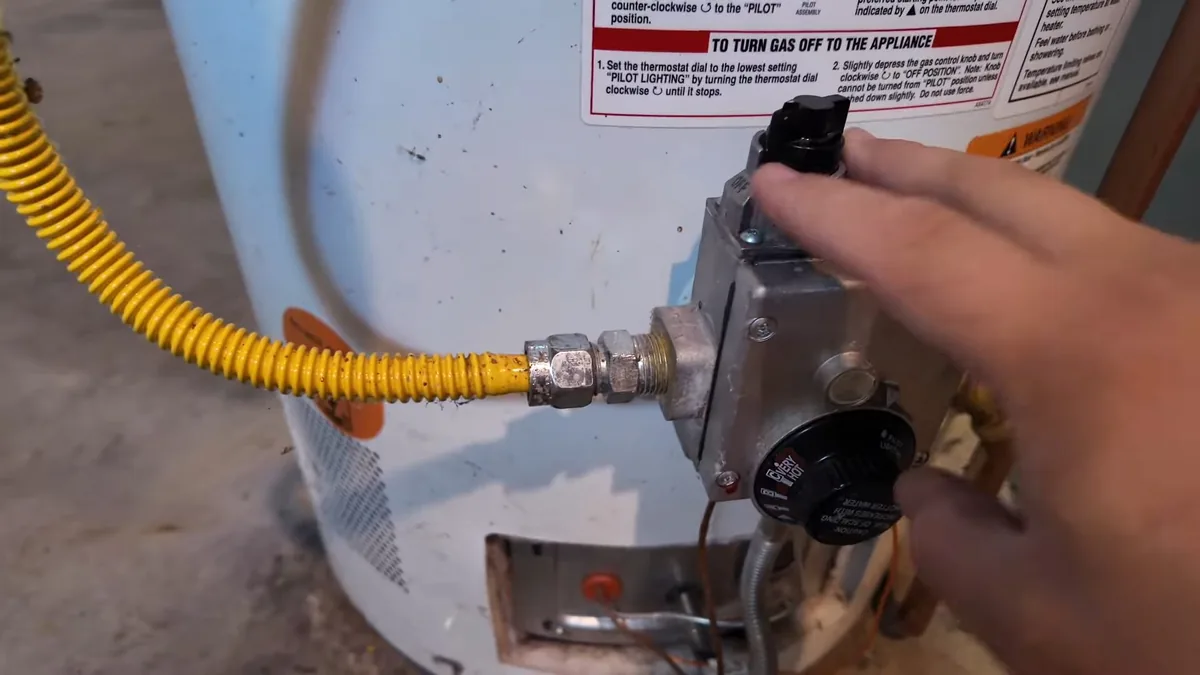
Hand on the gas control valve of a water heater with a yellow flexible gas connector.
At the appliance, the connector and control valve are the points checked for fit and leaks.
Pipe materials

Black iron, CSST and gas pipe replacement

Black iron is the traditional rigid pipe for gas, with threaded joints. CSST is flexible stainless tubing that goes in faster through walls but needs correct bonding and manufacturer-approved fittings. Which one fits depends on the route, the local code and the installer training. CSST can run through finished walls with less demolition, while black iron suits exposed runs in garages and utility rooms. Find out which pipe is planned and why. When old pipe is replaced, ask whether the whole run or only a section is being swapped, and what test is done before the gas is restored. Flexible tubing needs bonding to the electrical system, and rigid pipe needs supports at set spacing. Ask for both to be checked at inspection, and keep the paperwork with the permit.

24/7 emergency dispatch

Gas work done safely. Dispatch answers 24/7.

Call (480) 806-2944 now →
Hookups and propane

Appliance hookups and propane

A gas range, dryer or water heater needs a shutoff valve, a connector rated for the appliance, and a leak check at every connection. Propane works the same way inside the house, but the tank, regulator and first-stage pressure add parts. Propane homes should confirm who services the tank and where its shutoff sits.

Have each appliance checked for the correct gas type and orifice, since a unit set for natural gas will not burn safely on propane. Conversion kits exist, but the work belongs to a qualified installer, and the appliance label states which fuel it was built for. A new water heater fuel conversion is covered on the water heater installation page.

Typical hookups include a range, a dryer, a fireplace, a grill and a standby generator, and each one has its own load, shutoff and connector. Add them up before the line is sized so the generator or grill you plan to add later is not left starved.

Inspection

Inspection and pressure testing after any gas work

A pressure test holds the line at a set pressure for a set time and watches the gauge. A drop means a leak. After a repair, the test is the proof, and you are entitled to see the gauge reading. If a permit applies, the inspector may need to witness it. Before you accept the work, check that each appliance lights cleanly, the flame looks right and the shutoffs turn freely.

If a permit was pulled, ask for the inspection sign-off and keep it with the home records. Do not let the gas be turned on at the meter until the test has passed, and be wary of any plan to skip the test because the work looks small.

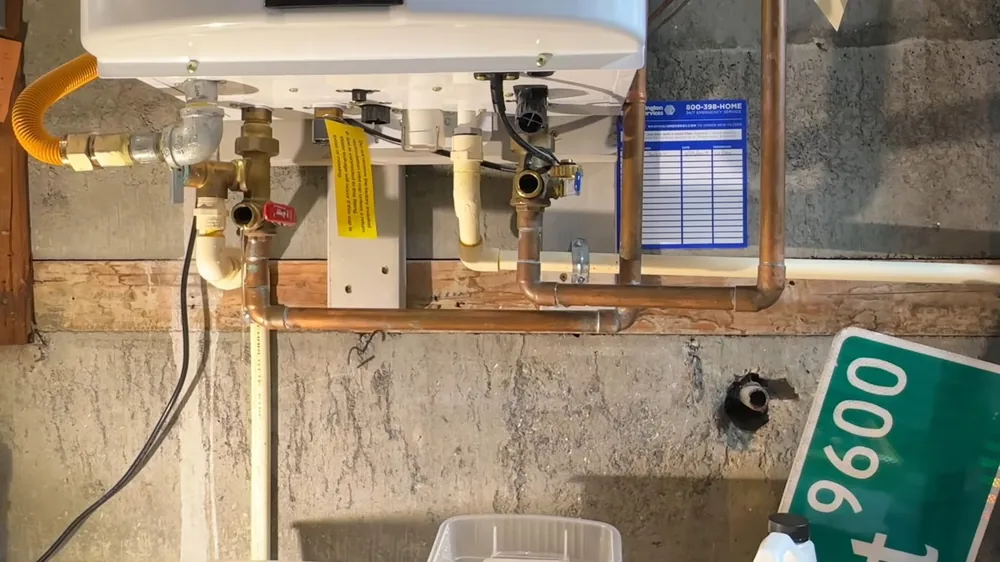
Wall-mounted water heater with copper pipes, shutoff valves and a gas connection, and a green road sign leaning in front.
Valves, connectors and supports at the appliance get a close look before the line goes into service.
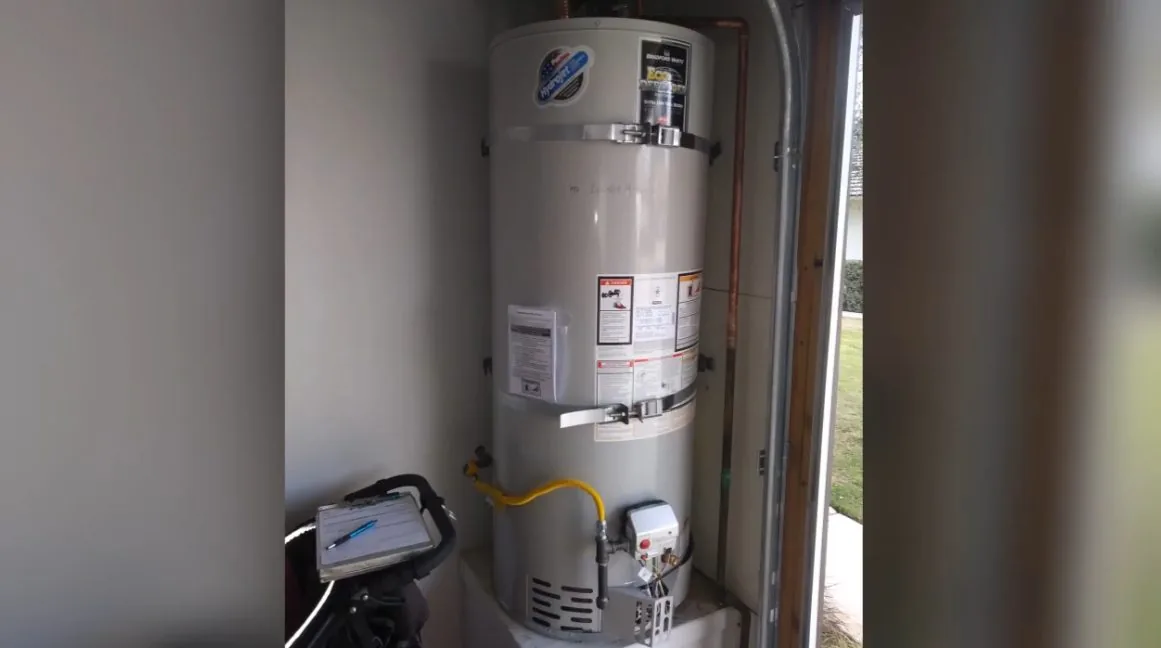
Gas water heater in a utility closet with a yellow gas connector and a small control box on the floor.
A closet appliance needs its connector, vent and surrounding space checked after any gas work.
Planning

Planning a gas project: what to decide before the plumber arrives

Good gas work begins with a short list. Which appliances will use the line, how far each sits from the meter, and whether any are likely to be added later. A fire pit or outdoor kitchen is far cheaper to rough in now than to open a wall for next year.

Walk the route with the plumber and point out what is behind the walls and under the yard, including irrigation lines and cables. Ask who pulls the permit where one is needed, who is present for the inspection, and how the shutoff for the new branch will be labeled. Keep a copy of the test result and the permit paperwork. A future buyer or inspector may ask for them, and the next plumber will find them useful. The front page shows every service if a gas project grows into other plumbing.

Gas call

How a gas line call runs

01

Secure

The gas is shut off and the area is cleared.

02

Test

The system is pressure tested and joints are checked.

03

Repair

The failed part or section is rebuilt.

04

Verify

The run is retested and appliances are lit.

Questions

Gas line answers worth having before you book

What should I do if I smell gas?

Leave the building, call the gas utility and emergency services from outside, and stay out until it is cleared.

Do I need a permit for a gas line?

Maricopa County lists new gas lines for some outdoor appliances as permit items. Confirm for your address, since town rules can differ from county rules, and ask who pulls the permit.

Can a gas leak be a slow one?

Yes. A small leak can be present for a long time. A pressure test finds what the nose cannot.

Who turns the gas back on?

The gas utility controls the meter. After repairs and a passing test, the plumber coordinates restoring service with the utility serving your address.

24/7 emergency dispatch

Gas question or new line? One call starts the plan.

  • Licensed and insured plumbers
  • Same-day service when available
  • 24/7 emergency dispatch
Call (480) 806-2944 now →
Call now, 24/7