Serving Anthem, New River and Cave Creek24/7 Emergency Dispatch: (480) 806-2944
Desert Hills AZ Experts Plumbers24/7 PLUMBING DISPATCH · MARICOPA COUNTYCall (480) 806-2944 →
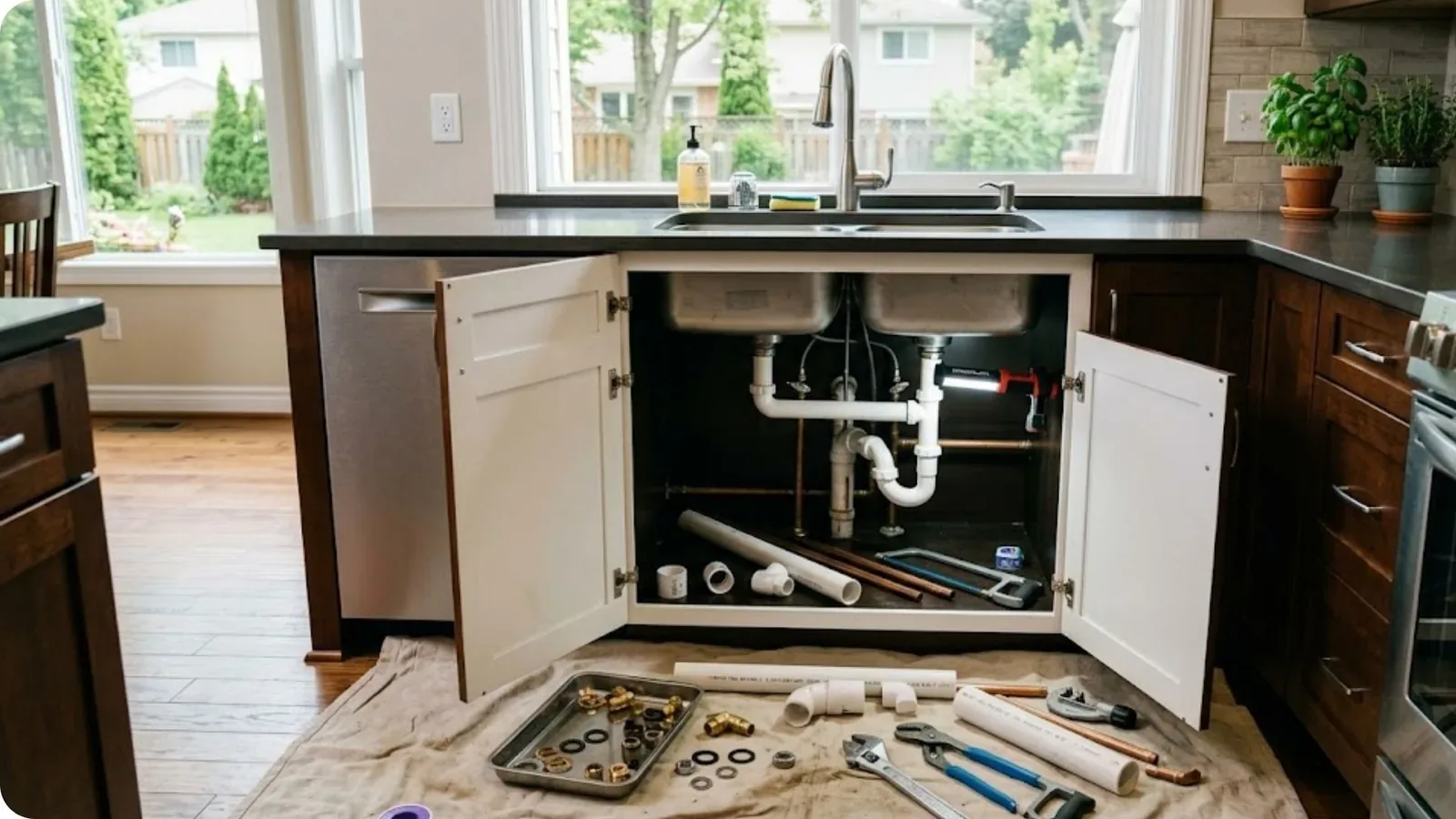
Open sink cabinet with two basins, a disposal and tools spread on a drop cloth.
Under the sink is where disposal, trap and supply connections all come together.

Home » Services » Garbage disposal

24/7 Emergency Line Open

Garbage Disposal Repair and Replacement in Desert Hills

Most people assume a dead disposal needs replacing. Often it is jammed or tripped, and a plumber serving your area can tell you which in a few minutes, before you buy anything.

Call (480) 806-2944 now →
  • Licensed and insured plumbers
  • Same-day service when available
  • 24/7 emergency dispatch
Repair

Garbage disposal repair: the common faults and what fixes them

A disposal that hums but does not spin is jammed. A disposal that is silent has probably tripped its reset button or lost power. One that runs and does not drain has a clog beyond the unit, and the cause is in the trap or the line, not the motor.

The common myth is that a dead disposal is finished. In practice many are fixed by turning the flywheel with the hex key at the bottom, pressing the reset button, and clearing the jam. Never put a hand in the unit, even with the power off at the switch. Turn it off at the breaker and use tongs. When a unit is old, rusted or leaking from the housing, repair stops making sense and replacement is the better call. Stuck, jammed or humming units are a different problem from a sink that is backed up, and a clogged sink with a unit that runs normally points to the trap or the line beyond it, not to the motor.

What the disposal is telling you
SignLikely causeFirst step
Hums, does not spinJammed flywheelTurn the flywheel with the hex key
SilentTripped reset or powerPress the reset button
Runs, drains slowlyClog past the unitClear the trap and line
Leaks from the bottomHousing or seal failureReplace the unit
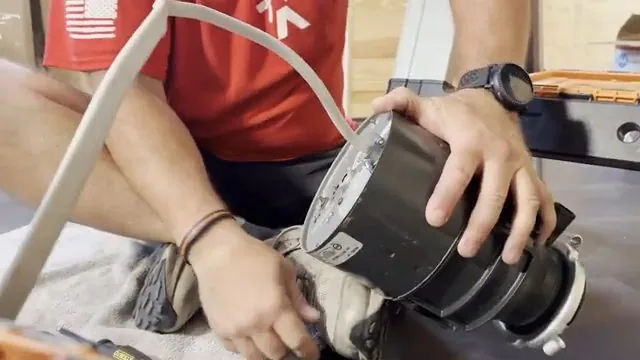
Hands removing the electrical cover plate from the bottom of a garbage disposal.
The electrical cover is where a plumber checks the wiring before touching the unit.
Leaks

Leaking disposal: top, side or bottom

Water can also run down the outside of the unit from a leaking sink flange, which looks like a leak from the disposal itself. Wiping the unit dry and running water in the sink alone, then running the dishwasher alone, separates the sources and tells you which seal or hose to replace.

Where it leaks decides the repair. A leak at the top flange is a failed seal or mounting. A leak at the side hoses is a loose clamp, either at the dishwasher or the drain. A leak from the bottom or housing means the unit has failed. Dry the area and run water for a minute to watch the drips. A towel under each joint shows the source fast. Do not ignore a slow drip, since the cabinet floor soaks it up silently. A leaking faucet or supply line under the same sink belongs on the fixture repair page.

24/7 emergency dispatch

Disposal jammed or leaking? Call now.

Call (480) 806-2944 now →
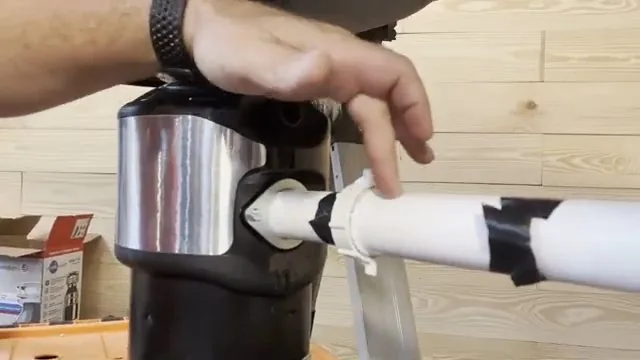
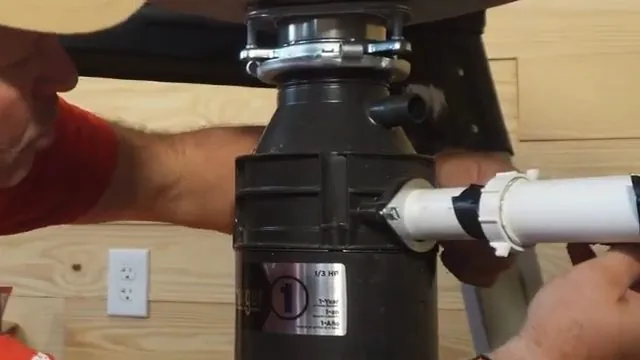
Hand holding the outlet connection where a garbage disposal meets the drain pipe.
The outlet fitting is a common spot for a slow drip under a disposal.
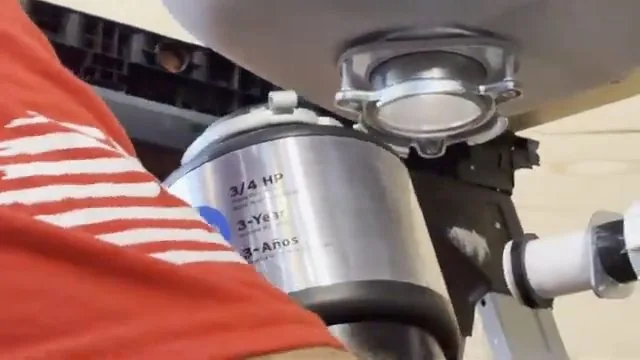
Garbage disposal mounting and drain fitting seen from below the sink.
A leak at the mount or fitting often means the disposal needs resealing or replacing.
Install

Disposal install and replacement

Retrofit jobs can be limited by a shallow cabinet or a deep sink, and some sinks need an adapter to match the flange. Mention the sink material and any water filter or hot water dispenser nearby when you book, since those parts share the same cabinet space. A replacement swaps the mounting, the unit and the drain connection. Horsepower, noise insulation and feed type are the decision points. A continuous-feed unit runs on a wall switch and suits most kitchens, and a batch-feed model runs with a lid in place. Check the cabinet for room, the outlet or hardwire, and the dishwasher knockout plug. The plumber removes the knockout when a dishwasher drain is connected, and missing that step is a classic cause of a dishwasher that will not drain.

Dishwasher link

Dishwasher connection and clogged disposals

The drain hose should rise to the underside of the counter before it drops into the disposal, which keeps dirty water from flowing back into the dishwasher. A hose that sags low is a common cause of odors, and a quick re-hang often fixes it without any new parts. A dishwasher that leaves water in the bottom often drains through the disposal. A clogged disposal backs the water up. Clearing it, and checking the air gap or high loop, restores drainage. If the whole sink backs up, the trap or the line is blocked, and the drain clearing page explains how that is cleared. Run a short hot cycle after the repair and watch the sink for gurgling, which signals a partial blockage downstream.

24/7 emergency dispatch

New disposal or a failed one? Dispatch answers 24/7.

Call (480) 806-2944 now →
Care

What not to put in a disposal

Eggshells, banana peels and stringy vegetables look harmless but pack into the drain and slow it over time. Scrape plates into the trash first, and run the unit only with a steady flow of cold water so what is ground up is flushed well past the trap. Grease cools and coats pipes, fibrous scraps like celery wrap around the blades, and starchy items like rice and pasta swell. Bones, pits and coffee grounds do not belong either. Run cold water before, during and after use for several seconds. A weekly rinse with cold water and a handful of ice helps keep blades clear. Citrus peels freshen odors but do not clean. If odors persist, the trap or the drain is the source.

Garbage disposal mounted under a sink with its white discharge pipe connected.
Stringy scraps, grease and hard items are the usual culprits behind a jammed disposal.
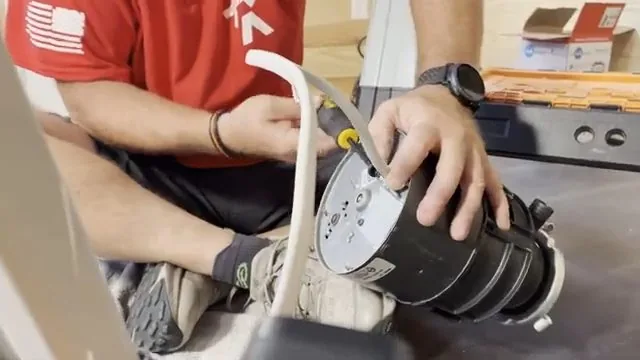
Hands holding a garbage disposal unit with its wiring cover removed.
Switch the disposal off at the breaker before anything goes near the unit.
Safety

Safety and noise: what to know before using a disposal again

After any jam, check the unit before using it. Run cold water, flip the switch briefly and listen. A grinding scrape means something is still in the chamber. A rattle after a spoon or a bottle cap fell in means metal is loose and the unit should be opened and cleared with tongs. Disposals cannot handle everything, and the sink is not a trash can. A short list on the cabinet door keeps guests and children from feeding it the wrong things. If the unit trips the breaker rather than the reset button, stop using it. The wiring or the motor may be shorted, and an electrician or plumber should check it before it is powered again.

Choosing

Choosing a replacement: horsepower, feed type and mounting

Quarter and half horsepower models suit light use. Three-quarter and one horsepower units handle larger households and tougher scraps with less jamming. Stainless grind parts resist rust better than plated ones, and added sound insulation makes a noticeable difference in an open kitchen.

Mounting styles differ between brands, so the plumber checks whether the existing flange will accept the new unit or needs replacing. The discharge height matters too, since a unit that sits too low or high will not line up with the trap. Ask whether the old drain pieces are reused, and what the warranty covers if the unit fails. Most installs take under an hour once the old unit is out. Wiring is the part to confirm, since a hardwired unit needs a junction box and a plug-in model needs a switched outlet.

Disposal call

How a disposal call runs

01

Power off

The unit is made safe at the switch or breaker.

02

Diagnose

Jam, trip, leak or clog is identified.

03

Fix

The jam is cleared or the part replaced.

04

Test

Water runs and the unit is checked for leaks.

Questions

Disposal answers worth having before you book

A disposal is a small appliance, and most calls are solved the same day. These answers cover the questions that come up most, so you can decide whether to try a simple fix yourself or leave it for the plumber. If the unit is still under warranty, mention the brand.

Why does my disposal hum but not spin?

The flywheel is jammed. Turn the power off and release it with the hex key.

Can I fix a leaking disposal?

A loose clamp or a flange seal can be fixed. A leak from the housing means replacement.

How long does a disposal last?

It depends on use and care. Rust and leaks are signs it is near the end.

24/7 emergency dispatch

Disposal trouble? One call starts the fix.

  • Licensed and insured plumbers
  • Same-day service when available
  • 24/7 emergency dispatch
Call (480) 806-2944 now →
Call now, 24/7