Serving Anthem, New River and Cave Creek24/7 Emergency Dispatch: (480) 806-2944
Desert Hills AZ Experts Plumbers24/7 PLUMBING DISPATCH · MARICOPA COUNTYCall (480) 806-2944 →
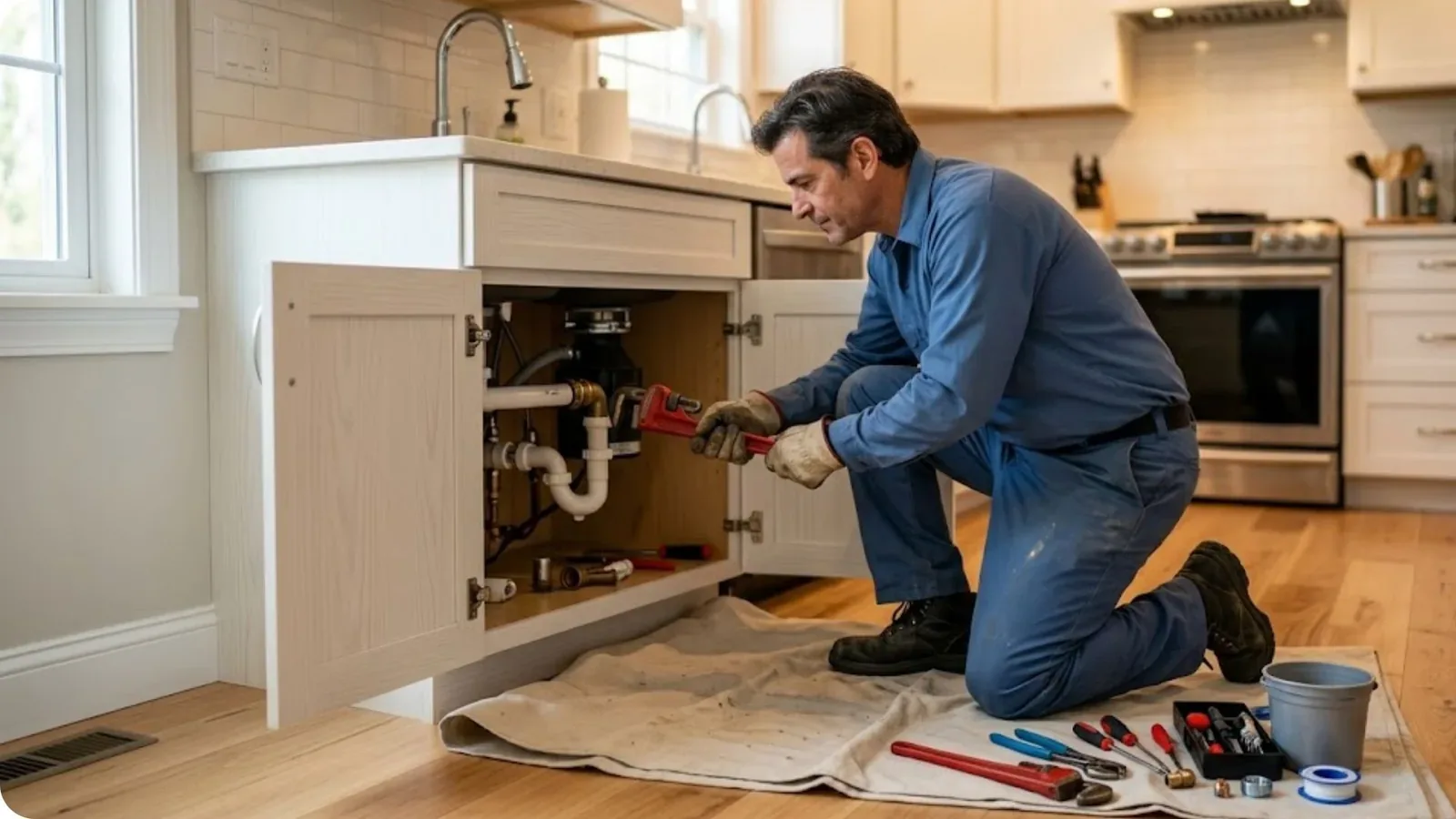
Plumber kneeling at an open sink cabinet with tools laid out on a cloth.
Fixing a cabinet drip starts with clearing the space under the sink so the connections can be seen.

Home » Services » Faucet, toilet and fixture repair

24/7 Emergency Line Open

Fix Leaking Faucets, Running Toilets and Worn Fixtures in Desert Hills

A drip, a running toilet or a shower that will not shut off wastes water every hour. Say which fixture and what it does, and a plumber serving your area will bring the right parts.

Call (480) 806-2944 now →
  • Licensed and insured plumbers
  • Same-day service when available
  • 24/7 emergency dispatch
Faucets

Faucet repair: drips, weak flow and loose handles

A dripping faucet is almost always a worn internal part. In a cartridge faucet the cartridge or its seals give out. In older compression styles it is the rubber washer and seat. In a ball or disc style it is the seals and springs. The brand and style decide the repair kit, so a photo helps. Weak flow has a different cause. Mineral buildup in the aerator is common in hard water and cleans out in minutes. If flow is weak at the supply too, the shutoff valve or the supply line may be partly closed or clogged. When a faucet is old and the finish is worn, replacement often makes more sense than another repair. A plumber can fit the new faucet in the same visit.

Faucet symptom and usual fix
SymptomUsual causeFix
Drip from the spoutWorn cartridge or washerReplace the part
Leak at the baseWorn O-ringsReplace the seals
Weak flowClogged aeratorClean or replace it
Handle looseSet screw or worn stemTighten or replace
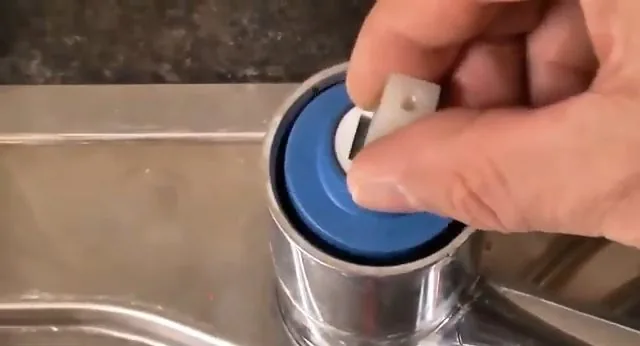
Hand removing a blue faucet cartridge from a metal faucet body.
A worn cartridge is a common cause of a dripping or stiff faucet handle.
Toilets

Toilet repair: running, weak flush and leaks at the base

A running toilet is the most common fixture complaint. The flapper no longer seals, the fill valve does not shut off, or the float is set too high. Dropping a few drops of dye in the tank and waiting about fifteen minutes shows whether water leaks into the bowl without a flush. If color appears, the flapper or its seat is the usual culprit.

A weak flush points to the rim holes, the flapper or a partial clog, and a toilet that rocks or leaks at the base needs a new wax ring or closet bolts. Do not keep using a toilet that leaks at the base, since water can rot the floor around the flange.

24/7 emergency dispatch

Fixture leaking or running? Call now.

Call (480) 806-2944 now →
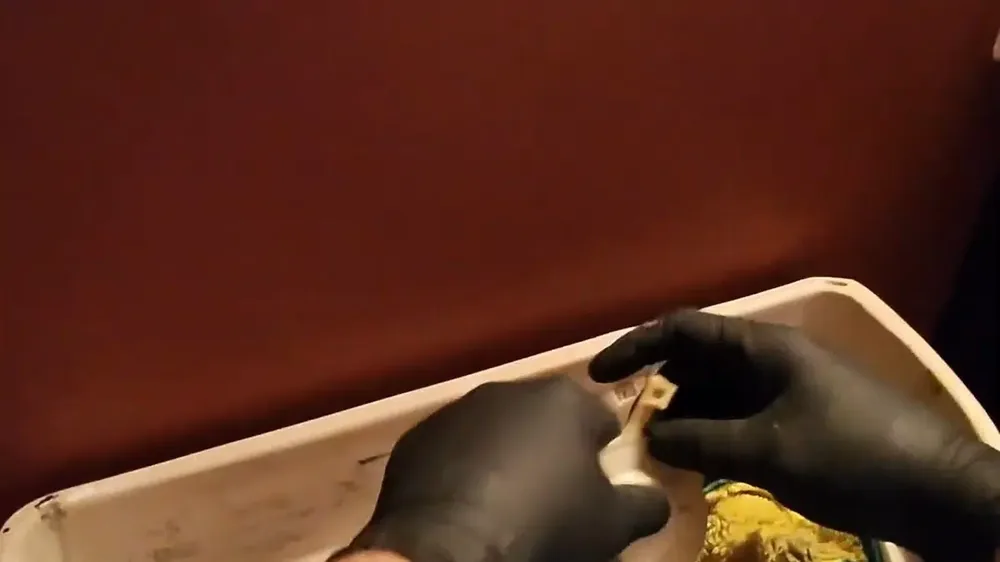
Gloved hand reaching into an open toilet tank next to a fill valve.
A running toilet usually comes down to a worn fill valve or flapper inside the tank.
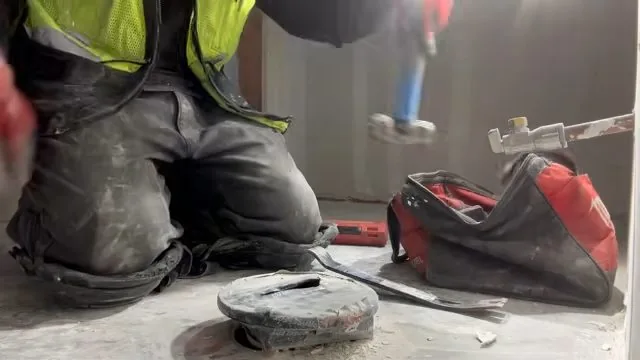
Plumber kneeling on a bathroom floor beside a toilet flange with a bag of tools.
A toilet that rocks or leaks at the base often has a flange or seal problem.
Sinks

Bathroom sink and vanity leaks

Under a vanity there are only a few places water escapes: the supply connections, the shutoff valves, the drain slip joints and the pop-up assembly. A tissue touched to each joint shows the source quickly. Dry the cabinet floor first, then run the faucet for a minute and look again. A wet spot that returns within seconds is a supply joint, and one that appears only when the sink drains is a slip joint or the pop-up.

Slip joints loosen with use and tighten by hand. Cracked traps and corroded shutoff valves need replacement. A cabinet floor already swollen means the leak has run for a while, and the cabinet may need drying or replacing. Press on the cabinet floor near the pipes. Soft, swollen or darkened board means water has been there for a while.

Toilet replacement

Toilet install and replacement

A new toilet is the better choice when the porcelain is cracked, the flush is poor despite repairs, or parts are no longer made. The plumber removes the old unit, checks the flange, sets a new wax ring and tests for leaks and a firm flush. Measure the distance from the wall to the flange bolts, called the rough-in, before you buy. Most are twelve inches, but older homes vary, and a wrong size means a return.

Water use matters as well. Modern models use less water per flush, and a taller bowl is easier for many people to use. Ask the plumber to run several flushes with paper before leaving, and to confirm the seat sits level and the base is caulked or left open according to local practice.

24/7 emergency dispatch

Fixture beyond repair? Dispatch answers 24/7.

Call (480) 806-2944 now →
Kitchen sink

Kitchen sink and faucet service

Kitchen faucets with pull-down sprayers carry a weighted hose that can snag and wear, and a hose that kinks or leaks inside the cabinet is a sign it is due. Single-handle models usually need a cartridge, while two-handle models need stem seals. Bring the brand name if you have it.

A kitchen sink faces heavier use than a bath. A sprayer hose that leaks under the sink, a faucet that drips at the base, or a basket strainer that weeps are routine repairs. Slow drains are separate and covered on the drain cleaning page. Sprayer hoses and soap dispensers fail often because they are used daily, and both are inexpensive parts that a plumber can swap during any visit. A disposal that leaks or hums belongs on the disposal repair page. If the plumber finds a hidden leak behind a wall, the leak detection and repair page explains the next step.

Showers and tubs

Shower valve, showerhead and bathtub repair

A shower that will not shut off or changes temperature points to the valve cartridge. A showerhead that sprays sideways usually has clogged nozzles. A tub that drains slowly or leaks at the overflow needs a different fix.

Behind-the-wall repairs need access. Plumbers often open the wall from the back or cut a small panel, and then patch it. Ask what finish work is included. Tile walls need care, and a plumber may suggest a stainless access panel on the back side, in a closet or hallway, to make future repairs easier. A tub that fills slowly can have a worn diverter, and one that will not hold water usually needs a new stopper or drain linkage. These are small jobs once the right part is on the truck.

Other fixtures

Hose bibs, bidets and appliance hookups

Outdoor spigots also drip inside the wall long before the stain shows, so a damp garage wall under a hose bib is worth checking. A quarter-turn shutoff on each appliance supply makes later service simple, and braided connectors should be replaced every few years because the rubber liner ages out of sight.

Outdoor hose bibs split in cold weather and leak inside the wall when frozen. A bidet seat needs a tee at the toilet supply and a nearby outlet. A washer or ice maker box needs a shutoff and a drain. These are short jobs that plumbers fit into a fixture visit. Mention them when you book, since the right valve, connector or tee should be on the truck. For a hose bib, ask for a frost-resistant model with a vacuum breaker, which drains the pipe behind the wall and guards against backflow into the house supply.

Remodel and rough-in work, such as moving a sink, adding a bathroom or converting a tub to a shower, needs supply and drain lines roughed in before the walls are closed. Specialty installs follow the same rule, whether it is an ADU, a wet bar, a laundry room, a toilet relocation or a dual-flush conversion, and the plumber should confirm drain slope, venting and shutoffs while the framing is still open. Dishwasher, washer and ice maker hookups each need their own supply stop and drain connection.

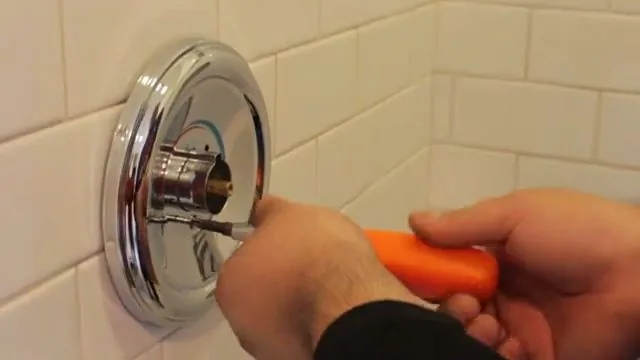
Hand using an orange-handled tool on a chrome shower valve trim.
Shower valve trim comes off for access to the cartridge behind it.
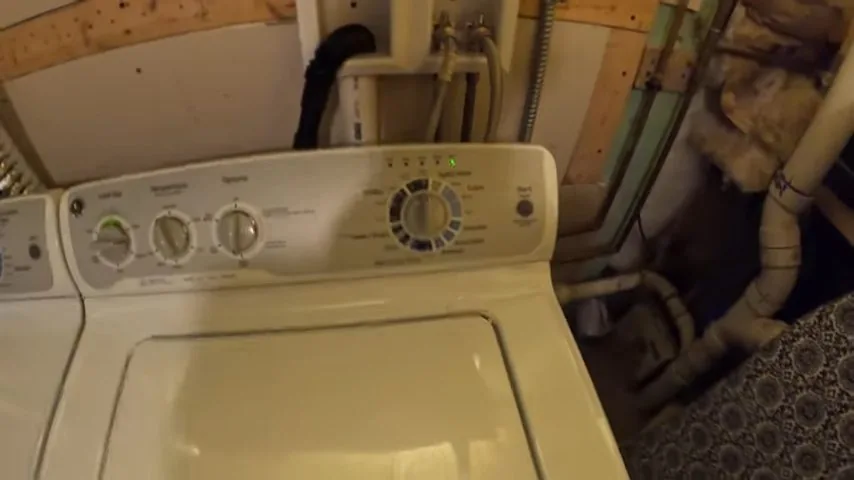
Top-loading washing machine with its supply hoses and drain connections visible behind it.
Washer hookups are worth checking when a hose looks worn or damp.
Before you call

What to do before the plumber arrives

If water is spraying, shut the main and open a tap low in the house to relieve pressure. Clear the cabinet or the bathroom floor so the plumber can reach the shutoffs and the trap. If you have the old parts or a spare cartridge, set them out so the match is quick.

Close the shutoff valve under the fixture, or the main if the valve will not turn. Dry the area, move anything stored below, and note which fixture, when it started and whether it gets worse with use. Take a photo of the make and model stamped on the faucet or inside the tank. These details let the plumber bring the right cartridge, flapper or fill valve on the first trip, which saves a second visit.

Fixture call

How a fixture call runs

01

Diagnose

The leak or symptom is traced to the part.

02

Quote

Repair or replacement is explained.

03

Fix

Parts are swapped and connections sealed.

04

Test

Flow, drain and shutoffs are tested.

Questions

Fixture answers worth having before you book

Most fixture visits are routine, but a few questions come up again and again, and the answers below save time on the phone and let the plumber arrive with the right parts for your fixture. If your case is different, say so when you call and dispatch will adjust the plan.

Should I repair or replace a running toilet?

Most are a simple part swap. Replace the toilet if the porcelain is cracked or repairs keep failing.

Why does my faucet drip after I replaced the washer?

The seat may be pitted, or the cartridge may be the actual fault.

How do I stop a leak under the sink?

Close the shutoff valves below the sink, and call if they will not turn.

24/7 emergency dispatch

Drip or leak? One call starts the fix.

  • Licensed and insured plumbers
  • Same-day service when available
  • 24/7 emergency dispatch
Call (480) 806-2944 now →
Call now, 24/7